

Fast, Reliable Attic Insulation Across Stanford
Attic insulation installation in Stanford typically costs $1,800 – $4,500 for a standard home, with most projects completed in one day. Our crews work from our San Francisco Bay Area dispatch office and can usually reach Stanford properties within 45 minutes. We know the difference between a 1920s College Terrace bungalow with original redwood siding and a 1970s Eichler-style ranch, and we adjust our approach accordingly. Call (864) 428-1615 for a written estimate before any work begins.
We’ve insulated attics in Professorville, College Terrace, and the areas surrounding Stanford University’s main campus. The housing stock here isn’t uniform, and neither are the problems. Our Attic Insulation team arrives with materials from eight leading brands, matched to your specific structure rather than whatever happens to be on the truck.
Why Aspen Attic Insulation Is Stanford’s Preferred Attic Insulation Company
We’ve built our reputation in Stanford by treating older homes with the care they require. Our reviews from Stanford customers consistently mention two things: the technician’s photo and name sent before arrival, and the written price that doesn’t change after the job. Garrett Sloane established this protocol when he launched Aspen, and we haven’t relaxed it.
Our response time to Stanford averages under an hour for standard appointments, same-day for urgent cases. We know that a musty attic smell in a College Terrace home often signals a moisture problem behind original redwood siding, not just insufficient insulation. That local knowledge saves homeowners from repeated callbacks and wasted material.
Every technician meets The Threshold Standard: background-checked, identity-verified, photo-badged, and sent to you by name and photo before the visit. If anyone else shows up at your door, the visit is free and we make it right. This matters in Stanford, where many homeowners are retired faculty, parents with young children, or residents who simply want to know who’s entering their home.
Attic Cleaning Services in Stanford
Attic Cleaning Services in Stanford typically involve removing old insulation, debris, rodent droppings, and dust accumulation from decades of neglect, especially in 1920s – 40s faculty homes where the attic may never have been properly cleaned. A thorough cleaning runs $1,200 – $2,800 for a standard Stanford attic, depending on accessibility and contamination level. Most College Terrace and Professorville homes need this step before new insulation can be installed safely.
Pre-Insulation Debris Removal
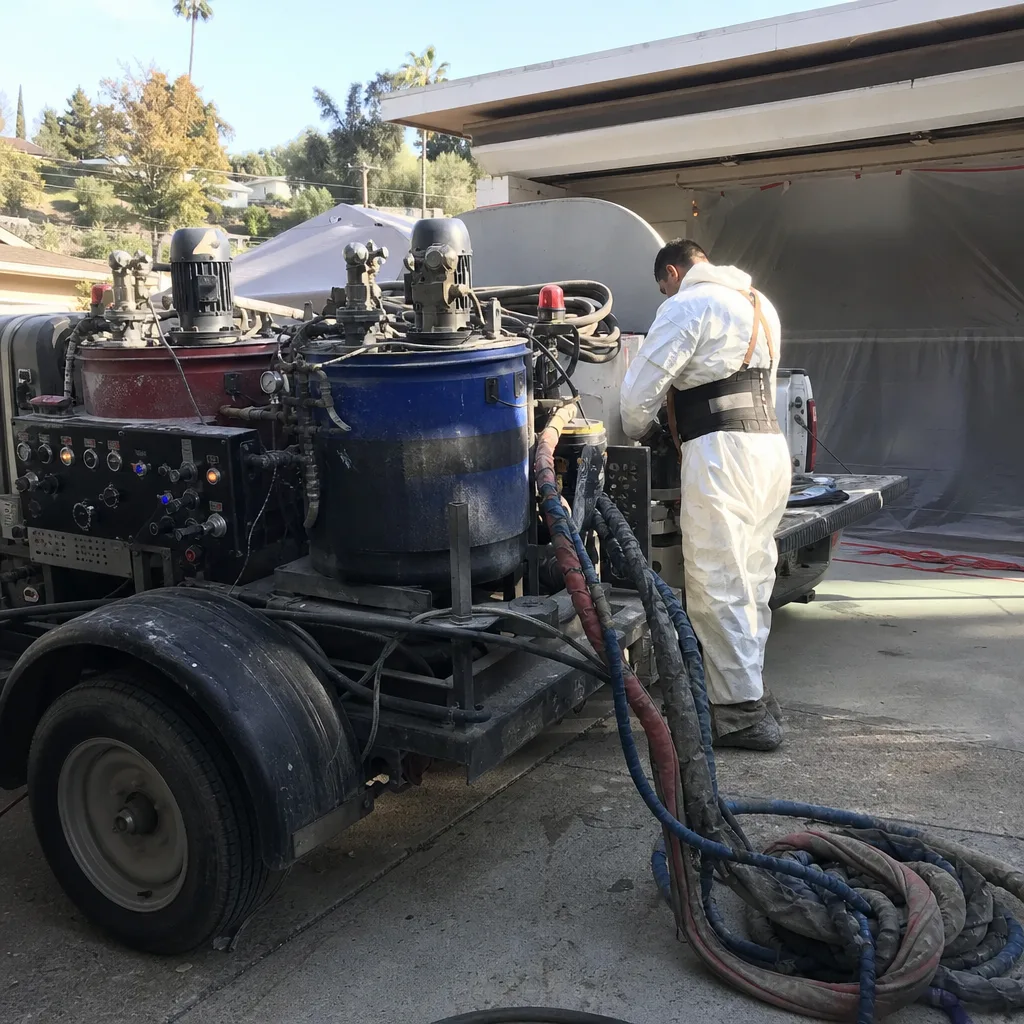
We remove old batts, settled blown-in material, and construction debris left from previous decades. In Stanford’s older homes, we often find brittle vermiculite or compressed cellulose that has lost its R-value. We bag and remove everything, then inspect the attic floor and top plates for air leaks before any new material goes in.
Sanitizing and Sealing
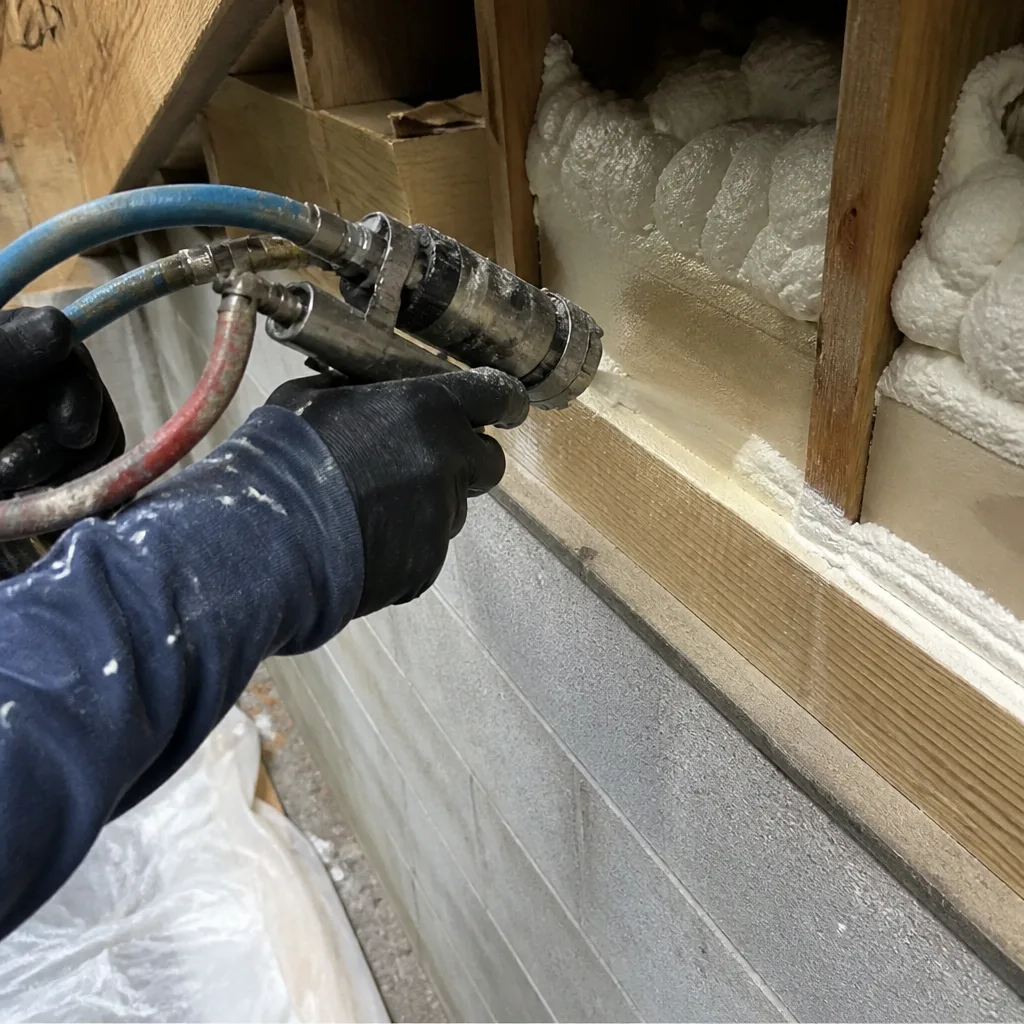
After debris removal, we apply an EPA-registered sanitizer to neutralize odors and organic matter. Then we seal all penetrations, recessed light housings, and top plates with fire-rated caulk and foam. This step is critical in Stanford’s climate, where winter moisture and summer heat gain exploit every gap.
What happens when you call
- 1
A real person answersNo phone trees - you reach a local pro.
- 2
You get an upfront price rangeHonest numbers before anyone is dispatched.
- 3
A background-checked tech heads outLicensed & insured, dispatched right away.
- 4
You approve before work beginsNothing starts until you say go.
Attic Mold Removal in Stanford
Attic Mold Removal in Stanford addresses the black or gray spotting that grows on roof sheathing and rafters when warm, moist interior air meets cold surfaces, a common problem in College Terrace homes where poor vapor control has allowed moisture to migrate through un-sheathed redwood siding. Mold remediation in Stanford attics typically costs $2,000 – $5,500, including containment, removal, treatment, and preventive air-sealing. We do not install new insulation until the moisture source is eliminated and the wood is dry.
Moisture Source Identification
We start with a full attic inspection to find where the water is coming from. In Stanford, the culprit is often bathroom vents dumping into the attic, combined with missing or failed vapor barriers against original siding. We trace the path, document it with photos, and show you before we quote any remediation work.
Post-Remediation Prevention
After mold removal, we install proper ventilation baffles and air-seal the attic floor to stop future moisture migration. In redwood-sided homes, we specify a vapor-permeable membrane rather than a standard polyethylene barrier, which would trap moisture against the wood and restart the cycle.
Trusted Brands We Service in Stanford
We stock materials from Johns Manville, Knauf, Rockwool, and CertainTeed at our Bay Area warehouse, with next-day availability for most Stanford projects. Johns Manville blown-in fiberglass works well for standard attic top-ups in mid-century ranches. Knauf EcoFill handles the dense-pack applications we use in Professorville’s irregular stud bays. Rockwool’s mineral wool resists compression and moisture, making it our choice for areas near attic HVAC units where condensation is a risk. CertainTeed’s MemBrain smart vapor retarder is specified for College Terrace redwood retrofits where permeability matters. We match the product to the structure, not the other way around.
Common Attic Insulation Problems We See in Stanford Homes
- Moisture trapped behind original redwood siding. In College Terrace and Professorville, blown-in insulation installed without a vapor-permeable membrane presses against un-sheathed redwood and creates a condensation surface. The result is dry rot in the wall cavity and a musty attic that no amount of new insulation will fix.
- Brittle rigid foam cracked by seismic movement. Stanford’s minor quakes shift and crack older foam boards and vermiculite, leaving thermal gaps around joists and air channels that bypass new material entirely. We remove these before installing anything new.
- Single-pane attic windows and unsealed top plates. Many Stanford homes retain original attic windows and never had their top plates sealed. Summer heat pours in, winter frost drafts out, and the new insulation performs at a fraction of its rated R-value.
- Campus building HVAC integration failures. Stanford University lab buildings from the 1960s – 70s have complex mechanical systems. Insulation upgrades that don’t account for existing duct routing, exhaust pathways, and pressurization requirements can trigger humidity alarms and energy penalty charges.
Pricing for Attic Insulation in Stanford, CA
| Service | Typical Range in Stanford |
|---|---|
| Attic Insulation Top-Up (existing good condition) | $1,800 – $2,800 |
| Attic Batt Insulation (new installation) | $2,200 – $3,600 |
| Blown-In Attic Insulation (full coverage) | $2,500 – $4,200 |
| Attic Insulation Replacement (remove + reinstall) | $3,200 – $5,500 |
| Attic Baffles & Ventilation Prep | $800 – $1,500 |
| Attic Cleaning Services | $1,200 – $2,800 |
| Attic Mold Removal | $2,000 – $5,500 |
What moves the price: attic square footage, current insulation condition, accessibility (steep roof pitches common in College Terrace add labor), and whether we need to install vapor-permeable membranes or address mold first. Every homeowner receives a written, itemized price before any work starts. No post-job additions. Call (864) 428-1615 for a free estimate.
We Also Serve Cities Near Stanford
Our Attic Insulation in Stanford crews regularly work in Palo Alto, Menlo Park, Atherton, and Los Altos. Each city has different housing stock and code considerations, but our Threshold Verified technicians apply the same identification, pricing, and guarantee protocols everywhere we go.
Serving Stanford, CA - Our Local Coverage Area
We’re based in the Stanford area and know this community well. Use the map below to see our service coverage - if you’re nearby, we can almost certainly help.
FAQs About Attic Insulation in Stanford
Yes, but not a standard one. Professorville and College Terrace homes with original redwood siding and no sheathing need a vapor-permeable membrane, not polyethylene, to let moisture escape while blocking bulk air movement. Standard vapor barriers trap moisture against the wood and accelerate dry rot. We specify CertainTeed MemBrain or an equivalent smart retarder for these retrofits. Call (864) 428-1615 and we’ll inspect your specific wall assembly before quoting.
Only if the moisture source is fixed first. Musty odors in College Terrace attics usually come from decades of moisture migration through un-sheathed redwood siding, often worsened by failed or missing vapor control. We remove contaminated insulation, treat any mold, install a vapor-permeable membrane, then blow in new material. The smell disappears when the wood can dry properly. Call (864) 428-1615 for an inspection.
Replace it if you see settling, cracking, or gaps around joists. Stanford’s seismic activity cracks rigid foam and shifts blown-in material, creating thermal bypasses that new top-up material won’t fix. We remove the damaged layer, air-seal the attic floor, and install new insulation to full depth. The 365-Day Done Right Promise covers labor and materials, with a free second visit if any settling occurs.
We specify Knauf EcoFill or Johns Manville blown-in fiberglass for most Stanford attics, with Rockwool near HVAC equipment for moisture resistance. The key is pairing the material with proper air-sealing and, in redwood-sided homes, a vapor-permeable membrane. Brand matters less than correct installation for this climate. We’ll recommend the right match after inspecting your attic.
Yes. Campus buildings from the 1960s – 70s have integrated mechanical systems with specific pressurization, exhaust, and humidity requirements. Insulation work must coordinate with existing duct routing and control sequences. We’ve worked with Stanford facilities teams on these retrofits and understand the campus energy efficiency standards. Call (864) 428-1615 to discuss your building’s specific mechanical configuration.
On a 1920s faculty bungalow off College Terrace’s Stanford Avenue, we found original redwood siding with no sheathing and an attic void where foam baffles had crumbled from decades of minor seismic movement. We air-sealed the top plates, installed a vapor-permeable membrane against the redwood, and blew in GreenFiber cellulose to R-38 without trapping moisture. Three winters later the owner reported no more musty attic odor and a noticeably warmer second floor.
Because College Terrace homes were often built with original redwood siding and no sheathing, attic insulation retrofits there require a vapor-permeable membrane and careful air-sealing to stop moisture from migrating into the wall cavity and causing dry rot, a sequencing step rarely needed in neighboring Palo Alto’s later stucco homes. This is the kind of local knowledge that separates a lasting retrofit from a callback.
Ready to fix your attic? Call (864) 428-1615 now. A live person answers 24/7. We’ll send you a photo and name of your technician before arrival, and you’ll have a written price in hand before any work starts. Every job carries our 365-Day Done Right Promise, backed in writing.
Written by Garrett Sloane, Owner at Aspen Attic Insulation, serving Stanford since 2002.