
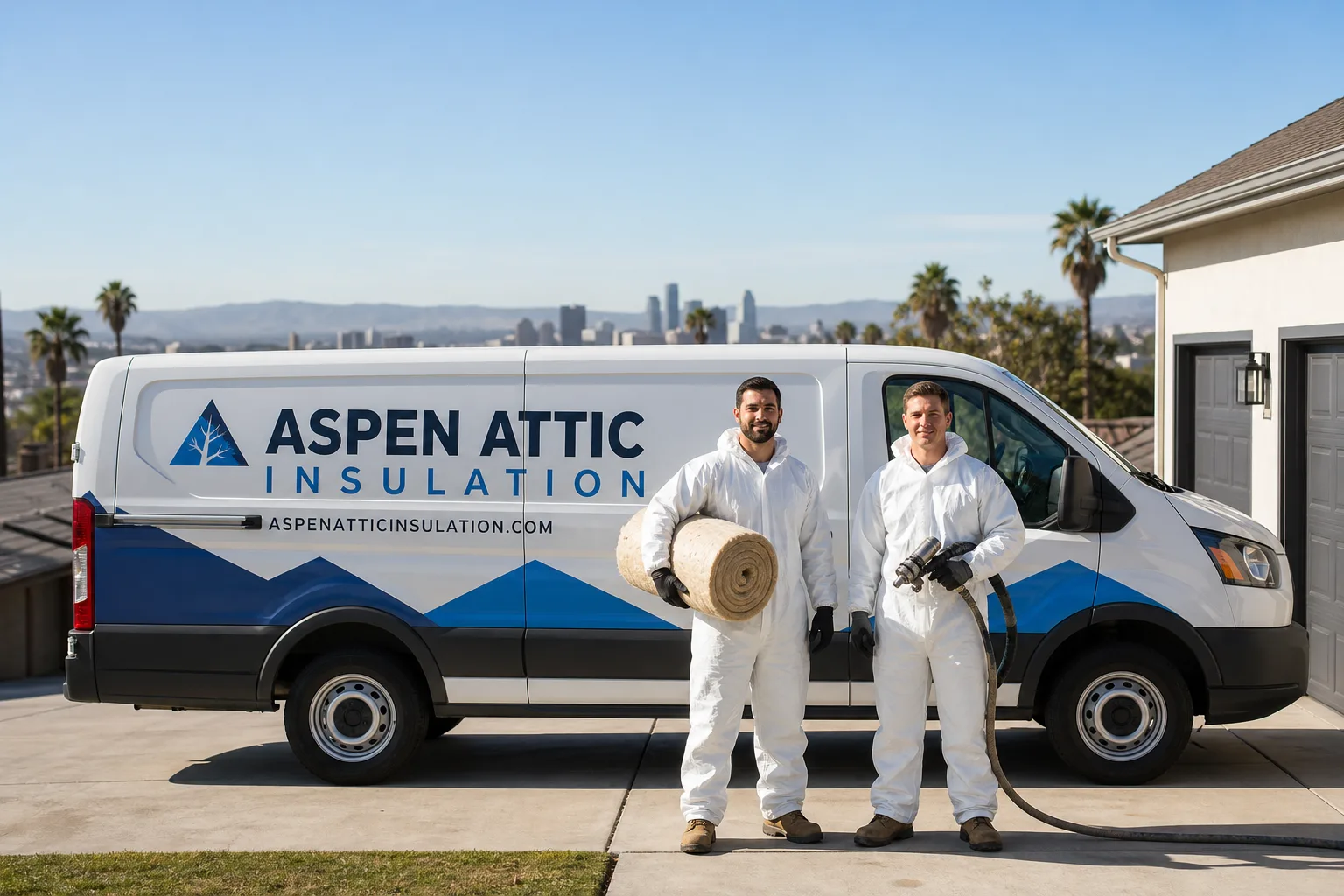
Fast, Reliable Attic Insulation Across Half Moon Bay
Attic insulation in Half Moon Bay runs $2.80 – $5.50 per square foot installed, with most ranch-style homes falling between $2,400 and $4,800 for a complete attic upgrade. Our crews are dispatched from the San Francisco Bay Area office and typically reach Half Moon Bay properties within 90 minutes during business hours. Call (864) 428-1615 for a free written estimate.
We’ve worked in enough homes along the Coastside to know that Half Moon Bay’s fog belt changes everything about how insulation performs. The marine layer that rolls in off the Pacific doesn’t just cool your attic; it keeps humidity high enough, year-round, that standard insulation approaches from dry inland markets fail here. Our Attic Insulation team treats every Half Moon Bay job as a moisture-management problem first and an R-value problem second. That’s not overcaution. It’s what keeps your sheathing dry and your energy bills down.
Why Aspen Attic Insulation Is Half Moon Bay’s Preferred Attic Insulation Company
We’ve built our reputation in Half Moon Bay on showing up prepared for coastal conditions. Our technicians carry Rockwool and mineral wool products specifically suited to fog-belt humidity, not just whatever batts were in the warehouse. Homeowners from El Granada to Montara have left reviews noting that our crews spotted moisture problems others missed.
Response time matters when you’re dealing with damp insulation. We schedule Half Moon Bay appointments with enough buffer to handle the longer drive times along Highway 1, and we confirm your technician’s name and photo before anyone heads your way. If someone else shows up at your door, the visit is free and we make it right.
Every job carries our 365-Day Done Right Promise in writing. If a repair fails within a year, we come back free. No call-back windows, no voicemail loops. A live person answers our phone 24/7.
We know the local housing stock. The 1950s – 1970s ranch and cottage builds that dominate neighborhoods west of Main Street have specific vulnerabilities: unvented or poorly vented attics, original fiberglass batts that have sagged into soggy mats, and sheathing that’s been breathing coastal moisture for decades. We don’t treat your home like a generic retrofit.
Attic Mold Removal in Half Moon Bay
Attic Mold Removal in Half Moon Bay typically costs $1,800 – $4,200 depending on affected square footage, sheathing condition, and whether insulation removal is required first. The job involves full containment of the attic space, HEPA-filtered negative air pressure, removal of contaminated insulation and debris, treatment of sheathing with EPA-registered antimicrobial, and verification through third-party or in-house clearance testing before new insulation goes in.
Half Moon Bay homeowners need attic mold removal when they spot dark staining on rafters or sheathing, catch a musty smell during Santa Ana wind breaks, or find their insulation has compressed and darkened from moisture exposure. The fog belt’s persistent humidity means mold here often spreads across sheathing before homeowners notice it in the living space.
When Removal Comes First
We never install new insulation over active mold. Our crews remove all contaminated material, treat the structure, and verify dryness before any new product goes in. Skipping this step traps spores under fresh batts and guarantees a repeat problem.
Coastal Moisture Source Identification
Mold in Half Moon Bay attics usually traces to wind-driven entry around chimney chases, poorly sealed hatches, or recessed light cans. We locate and seal these points during removal so the mold doesn’t return.
Attic Insulation Removal in Half Moon Bay
Attic Insulation Removal in Half Moon Bay runs $1.20 – $2.80 per square foot, with most single-family homes between $1,100 and $2,600 for complete extraction and disposal. The job involves setting up protective sheeting, vacuuming or bagging existing material, inspecting sheathing and electrical for hidden damage, and prepping the space for air sealing and new installation.
Half Moon Bay homeowners need removal when original fiberglass batts have sagged, compacted, or become saturated from marine-layer moisture. We see this constantly in older homes west of Cabrillo Highway, where decades of fog exposure have turned insulation into a damp mat that actively cools the ceiling plane instead of insulating it.
Safe Handling of Saturated Material
Wet fiberglass weighs more and releases more particulate during removal. Our crews use commercial HEPA vacuums and proper PPE, and we dispose of contaminated material according to San Mateo County guidelines. You don’t handle it.
What We Find Underneath
Once old insulation is out, we inspect for rodent activity, recessed can overheating, and sheathing discoloration. These issues are common in Half Moon Bay’s older housing stock and need addressing before new insulation goes in.
Trusted Brands We Service in Half Moon Bay
We stock materials from eight industry-leading manufacturers, and we match the product to your specific coastal conditions rather than forcing a one-size-fits-all approach. For Half Moon Bay’s fog-belt homes, we frequently specify Rockwool mineral wool batts for their vapor-open properties and resistance to moisture saturation. Owens Corning and Johns Manville products are also in our regular rotation, selected by attic configuration and whether we’re topping up existing material or starting fresh after removal. Having multiple brands on hand means we don’t delay your job waiting for a special order.
Common Attic Insulation Problems We See in Half Moon Bay Homes
- Sagging, saturated original fiberglass batts. In ranch homes built between 1955 and 1975, we regularly find fiberglass that has compressed to half its original thickness from decades of marine-layer moisture. It looks like insulation but performs like a wet blanket.
- Moldy sheathing behind “dry-looking” insulation. The fog belt keeps attic humidity high enough that mold colonizes the sheathing even when the batts above appear normal. We catch this during removal.
- Closed vapor barriers in vented attics. Faced batts or polyethylene sheeting installed by inland contractors trap moisture against sheathing during Half Moon Bay’s cool, damp summers. The assembly can’t dry, and rot follows.
- Unsealed air leaks around coastal penetrations. Wind-driven rain and fog enter around chimney chases, plumbing vents, and recessed lights. Without air sealing, new insulation becomes a moisture sponge within two seasons.
Pricing for Attic Insulation in Half Moon Bay, CA
Here’s what attic insulation costs in the Half Moon Bay market:
- Attic Insulation Top-Up (blown-in over existing, suitable material): $1.80 – $3.20 per square foot
- Attic Batt Insulation (new mineral wool or fiberglass batts): $2.80 – $4.50 per square foot
- Blown-In Attic Insulation (complete replacement): $3.20 – $5.50 per square foot
- Attic Insulation Removal: $1.20 – $2.80 per square foot
- Attic Mold Removal: $1,800 – $4,200 total
- Attic Baffles & Ventilation Prep: $400 – $900
What moves your price within these ranges: attic square footage, accessibility (crawl hatches versus full stair access), whether removal is required first, sheathing repairs, and whether we need to install baffles for proper ventilation. Every homeowner receives a written price before any work starts. No post-job surprises. Call (864) 428-1615 for your free estimate.
We Also Serve Cities Near Half Moon Bay
Our crews work throughout the Coastside and northern Peninsula, including Attic Insulation in Half Moon Bay proper plus El Granada, Burlingame, Millbrae, and Belmont. Dispatch is coordinated from our San Francisco Bay Area office, with local crews serving each area.
Serving Half Moon Bay, CA - Our Local Coverage Area
We’re based in the Half Moon Bay area and know this community well. Use the map below to see our service coverage - if you’re nearby, we can almost certainly help.
FAQs About Attic Insulation in Half Moon Bay
You can, but you’ll likely trap moisture and grow mold. In Half Moon Bay’s fog belt, original fiberglass batts are often already saturated from decades of marine-layer exposure. Adding blow-in material over the top seals that moisture against your sheathing, creating exactly the conditions for rot. We remove the old material, air seal, and install a vapor-open assembly designed for coastal humidity. Call (864) 428-1615 for a free assessment of your attic’s condition.
Mineral wool batts, specifically Rockwool, perform best in Half Moon Bay’s persistent coastal humidity. Mineral wool is vapor-open, meaning it allows moisture to pass through and dry rather than trapping it against sheathing. Standard faced fiberglass batts or closed-cell spray foam in a vented attic block drying and lead to condensation during cool, damp summers. We match the product to your specific attic configuration.
Almost certainly yes. We were called to a ranch-style home near Poplar Street where the original fiberglass batts had collapsed into a soggy mat, and the sheathing had early mold. Our crew removed all the old insulation, air-sealed the ceiling plane, and installed Rockwool mineral wool batts with a vapor-open assembly – one trip, no return, no trapped moisture. Sagging insulation in Half Moon Bay’s older west-side homes is a telltale sign of moisture saturation, not just age compression.
Yes, always. Installing new insulation over active mold traps spores, violates manufacturer warranties, and guarantees the problem will resurface. Our attic mold removal process includes full containment, antimicrobial treatment of sheathing, and clearance verification before any new product goes in. The 365-Day Done Right Promise covers our work, but it can’t override the physics of mold under fresh batts.
Air sealing is the difference between insulation that works and insulation that rots. In Half Moon Bay, wind-driven coastal moisture enters through gaps around chimneys, hatches, recessed lights, and top plates. Without sealing these points, you’re ventilating your attic with fog-laden air that bypasses the insulation entirely and condenses on cold sheathing. We seal first, then insulate, so the assembly manages moisture instead of trapping it. Call (864) 428-1615 for a free written estimate on air sealing and insulation together.
Written by Garrett Sloane, Owner at Aspen Attic Insulation, serving Half Moon Bay since 2002.