
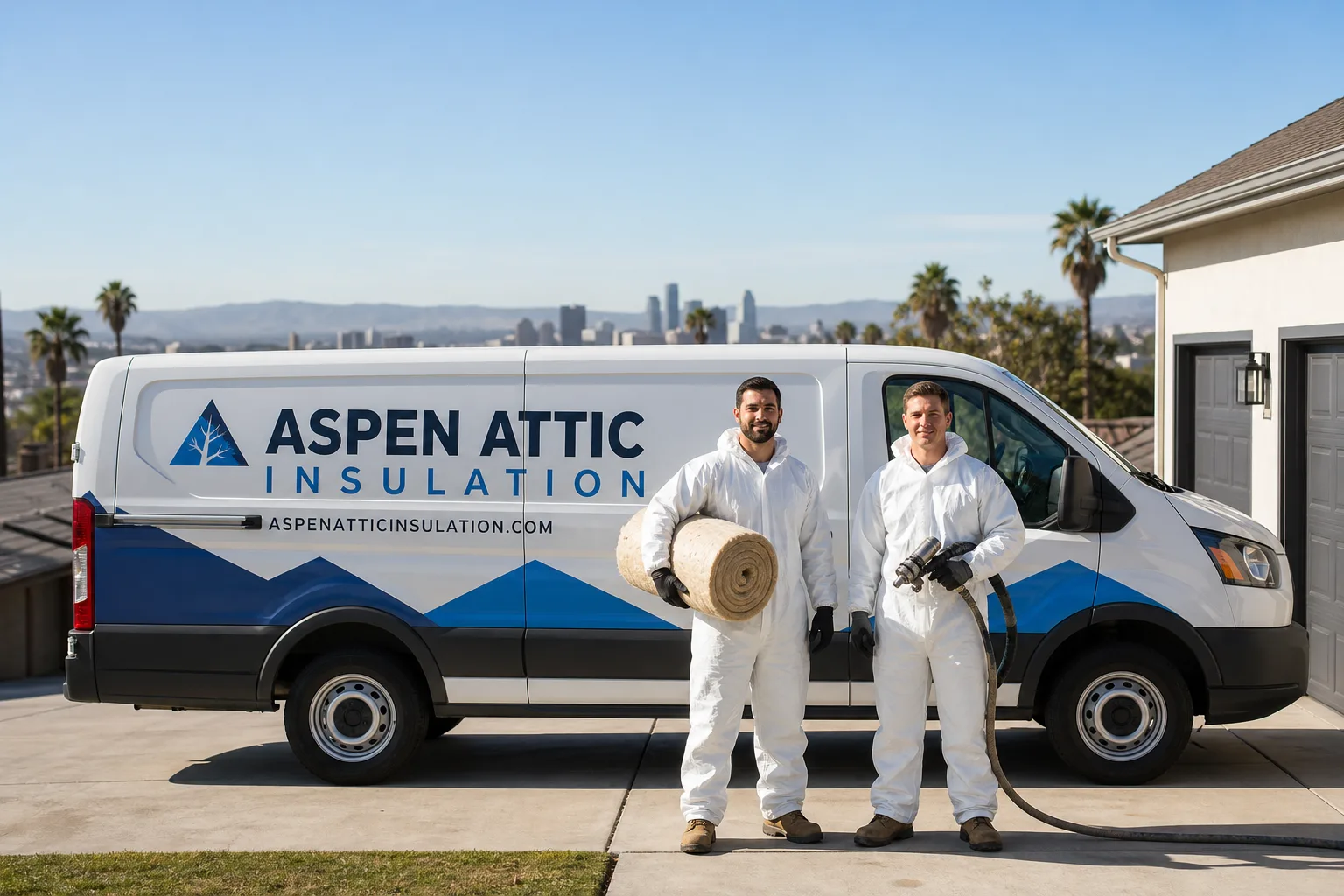
Fast, Reliable Blown In Insulation Across Half Moon Bay
Blown-in insulation in Half Moon Bay typically costs $1.80 to $3.20 per square foot installed, with most attics running $2,400 – $5,800 depending on accessibility and existing conditions. Our crews are dispatched from the San Francisco Bay Area office and can usually inspect your Half Moon Bay home within 24 – 48 hours. Call (864) 428-1615 for a written estimate with no obligation.
We’ve worked in Half Moon Bay long enough to know that insulation here isn’t a copy-paste job from inland standards. The persistent marine layer, the fog that rolls in off the Pacific, and the older housing stock along streets like Main Street and Kelly Avenue create a specific set of problems that generic insulation advice won’t solve. Our Blown In Insulation team treats every Half Moon Bay attic as a moisture-management project first, because in this climate, getting that wrong means mold within a few seasons.
Why Aspen Attic Insulation Is Half Moon Bay’s Preferred Blown In Insulation Company
Homeowners in Half Moon Bay choose us because we show up with our name, face, and price already in writing before any work begins. Garrett Sloane built this approach into Aspen Attic Insulation after seeing too many homeowners hesitate to open their door to an unknown contractor. Every technician is background-checked, identity-verified, and sent to you by name and photo before the visit. If anyone else arrives, the visit is free and we make it right.
Our 365-Day Done Right Promise covers every job in writing. Labor and materials, full year. If a repair fails, we come back free. That guarantee travels with us to every Half Moon Bay home we work on, from the ranch-style houses near the airport to the custom builds up toward the ridgeline.
Calls are answered by a live person, 24/7. No voicemail loops, no call-back windows. When you’re dealing with a cold, damp attic and rising heating bills, you shouldn’t have to wait for someone to decide you’re worth a return call.
Blown In Cellulose Insulation in Half Moon Bay
Blown In Cellulose Insulation in Half Moon Bay is our most common request for homes built between 1950 and 1980, which describes much of the housing stock from El Granada border to the north end of town. We blow treated cellulose fibers into attic cavities and wall bays at high density, filling gaps that batts leave behind. In Half Moon Bay’s fog belt, we specify borate-treated cellulose from GreenFiber or Johns Manville, which resists moisture absorption and deters pests without creating a vapor barrier that traps dampness.
A typical Half Moon Bay attic cellulose job runs $2,600 – $5,200 for attics between 1,000 and 2,500 square feet. Crawl spaces and dense-packing existing walls add to that. Every price is written and approved before we start.
Vapor-Open Assemblies for Coastal Humidity
Standard faced batts fail here. The facing acts as a vapor barrier on the wrong side, trapping marine-layer moisture against roof sheathing where it can’t dry. We install cellulose as a vapor-open assembly, pairing it with continuous air sealing at top plates, recessed light housings, and chimney chases. This lets the assembly breathe while stopping the air leaks that carry humidity into the cavity.
When Cellulose Makes Sense
Choose cellulose when your attic has irregular joist spacing, numerous obstructions, or existing batts that have sagged and compressed. It conforms to the space. We also favor it for homeowners sensitive to fiberglass dust, and for fire safety, cellulose carries a Class 1 fire rating.
Blown In Fiberglass Insulation in Half Moon Bay
Blown In Fiberglass Insulation in Half Moon Bay works best in well-vented attics where we can maintain clear soffit-to-ridge airflow, and in homes where the homeowner wants minimal settling over time. We blow loose fiberglass from Knauf or CertainTeed at densities that achieve R-38 to R-49 in a single application, depending on your target and the existing structure. Fiberglass doesn’t absorb moisture the way organic materials can, but it still requires meticulous air sealing in this climate, unsealed leaks let fog-laden air bypass the insulation entirely.
Half Moon Bay fiberglass blown-in jobs typically range $2,400 – $4,800 for standard attics. Complex rooflines with multiple dormers, common in the custom homes near the coast, push toward the higher end. We give you the exact number before we unload a single bag.
Fiberglass and Ventilation Pairing
Fiberglass performs poorly when attic ventilation is compromised. We inspect soffit vents, ridge vents, and any gable vents before recommending fiberglass, and we install baffles to keep blown material from blocking intake vents. In Half Moon Bay, blocked ventilation combined with marine-layer humidity is a recipe for condensation on the underside of roof sheathing.
Density and Coverage Control
We calibrate our blowing machines to manufacturer specs for each product. Under-blowing leaves gaps; over-blowing wastes material and can stress ceiling drywall. Our technicians measure depth across multiple attic locations and document coverage before closing up.
Trusted Brands We Service in Half Moon Bay
We stock materials from eight industry-leading brands, including Johns Manville, Knauf, Rockwool, and CertainTeed, with product lines selected specifically for coastal California conditions. For Half Moon Bay homes, we often specify Rockwool’s stone wool blown products or Knauf’s Jet Stream fiberglass when we need non-combustible, moisture-resistant performance with vapor-open characteristics. Having multiple brands on hand means we don’t shoehorn the wrong product into your attic because it’s what the truck happened to carry that day. We match the material to your specific roof assembly, ventilation setup, and moisture risk, then back it with our 365-Day Done Right Promise.
Common Blown In Insulation Problems We See in Half Moon Bay Homes
- Saturated original batts in fog-exposed attics. We regularly find 1960s fiberglass batts on the west side of Half Moon Bay that have absorbed decades of marine-layer moisture, sagging between joists and delivering a fraction of their original R-value. Blowing new material over this wet layer traps moisture against sheathing.
- Double vapor barriers from faced insulation. Homeowners or previous contractors add faced batts or faced blown-in over existing faced material, creating a moisture sandwich that can’t dry in either direction. In Half Moon Bay’s high-humidity environment, this produces mold within two to three winters.
- Blocked soffit vents after blown-in installation. Blown cellulose or fiberglass drifts into eaves and covers intake vents, especially in older homes with minimal or damaged vent baffles. Without intake air, humid marine-layer air stagnates in the attic and condenses on cold sheathing during foggy summer mornings.
- Air sealing skipped to save time. The fastest way to cut a blown-in quote is to skip sealing recessed lights, top plates, and plumbing penetrations. In Half Moon Bay, unsealed leaks carry conditioned, moisture-laden air into the attic year-round, undermining whatever R-value we install.
Pricing for Blown In Insulation in Half Moon Bay, CA
| Service | Typical Range in Half Moon Bay |
|---|---|
| Attic blown-in cellulose (1,000 – 1,500 sq ft) | $2,600 – $3,800 |
| Attic blown-in cellulose (1,500 – 2,500 sq ft) | $3,800 – $5,200 |
| Attic blown-in fiberglass (1,000 – 1,500 sq ft) | $2,400 – $3,600 |
| Attic blown-in fiberglass (1,500 – 2,500 sq ft) | $3,600 – $4,800 |
| Air sealing (prep for blown-in, typical attic) | $800 – $1,600 |
| Old insulation removal + disposal | $1,200 – $2,400 |
| Crawl space blown-in | $2,000 – $4,500 |
What moves you within these ranges? Attic accessibility (hatch size, headroom, whether we need plywood walkways), existing insulation condition, and whether removal is required. Homes near the coast with persistent moisture issues often need removal and treatment before new material goes in. We assess this during our inspection and give you a single written price that includes everything, no post-job additions. Estimates are free. Call (864) 428-1615 to schedule.
We Also Serve Cities Near Half Moon Bay
Our crews work throughout the San Francisco Bay Area, including El Granada to the south, Burlingame and Millbrae to the north along Highway 1 and 101, and Belmont inland. Each community has its own insulation challenges, from El Granada’s similar coastal exposure to Belmont’s warmer, drier hills. We bring the same Threshold Verified technician protocols and written pricing to every job.
Serving Half Moon Bay, CA - Our Local Coverage Area
We’re based in the Half Moon Bay area and know this community well. Use the map below to see our service coverage - if you’re nearby, we can almost certainly help.
FAQs About Blown In Insulation in Half Moon Bay
It fails because standard installation methods ignore moisture management. The marine layer keeps outdoor humidity high year-round, and unsealed attic leaks carry that moisture into insulation cavities. When faced batts or poorly vented blown-in traps that dampness against roof sheathing, mold and rot follow within a few seasons. The fix is vapor-open assemblies with continuous air sealing, not just more R-value. Call (864) 428-1615 and we’ll inspect your attic’s moisture risk free of charge.
You can only if the existing batts are dry, uncompressed, and mold-free. In Half Moon Bay, we find that’s rarely true in homes more than 30 years old, especially on the fog-exposed west side. Adding blown-in over saturated batts traps moisture and accelerates sheathing decay. We test existing material with moisture meters and visual inspection before recommending any overlay. Call (864) 428-1615 for an honest assessment.
Borate-treated cellulose at high density, installed as a vapor-open assembly with full air sealing. 1950s ranches in Half Moon Bay typically have minimal original insulation, unsealed top plates, and recessed lights that leak conditioned air. Cellulose fills the irregular cavities common in these builds, and the borate treatment resists moisture and pests. We often specify GreenFiber or Johns Manville for these projects. Every recommendation comes with a written price before work starts.
Fog doesn’t directly lower R-value, but the high humidity it produces does. Wet insulation conducts heat faster than dry insulation. A 10% moisture content in fiberglass can reduce its effective R-value by 30 – 50%. In Half Moon Bay, the risk isn’t the fog itself, it’s air leaks that carry humid air into the attic where it condenses on cold surfaces. Proper air sealing and ventilation preserve the R-value you paid for. We measure and document both before and after installation.
Often yes, especially if the old material is fiberglass batts from the 1960s – 1980s that have absorbed coastal moisture. We were called to a 1960s ranch on Alsace Loraine Avenue in Half Moon Bay where the attic’s original fiberglass batts had sagged and were soaked from decades of fog-belt humidity. After air sealing the top plates and recessed lights, we blew in GreenFiber cellulose at a high density to maintain vapor permeability while boosting R-value. The homeowner reported noticeably warmer floors and no more musty odor within weeks. Removal adds $1,200 – $2,400 but prevents the mold and rot that costs far more later. We’ll tell you honestly whether you need it.
Ready to fix your attic the right way? Call (864) 428-1615 for a free, written estimate on blown-in insulation in Half Moon Bay. A live person answers, 24/7. We’ll send you your technician’s name and photo before anyone arrives at your door, and you’ll know the exact price before any work begins.
Written by Garrett Sloane, Owner at Aspen Attic Insulation, serving Half Moon Bay and the San Francisco Bay Area since 2002.