
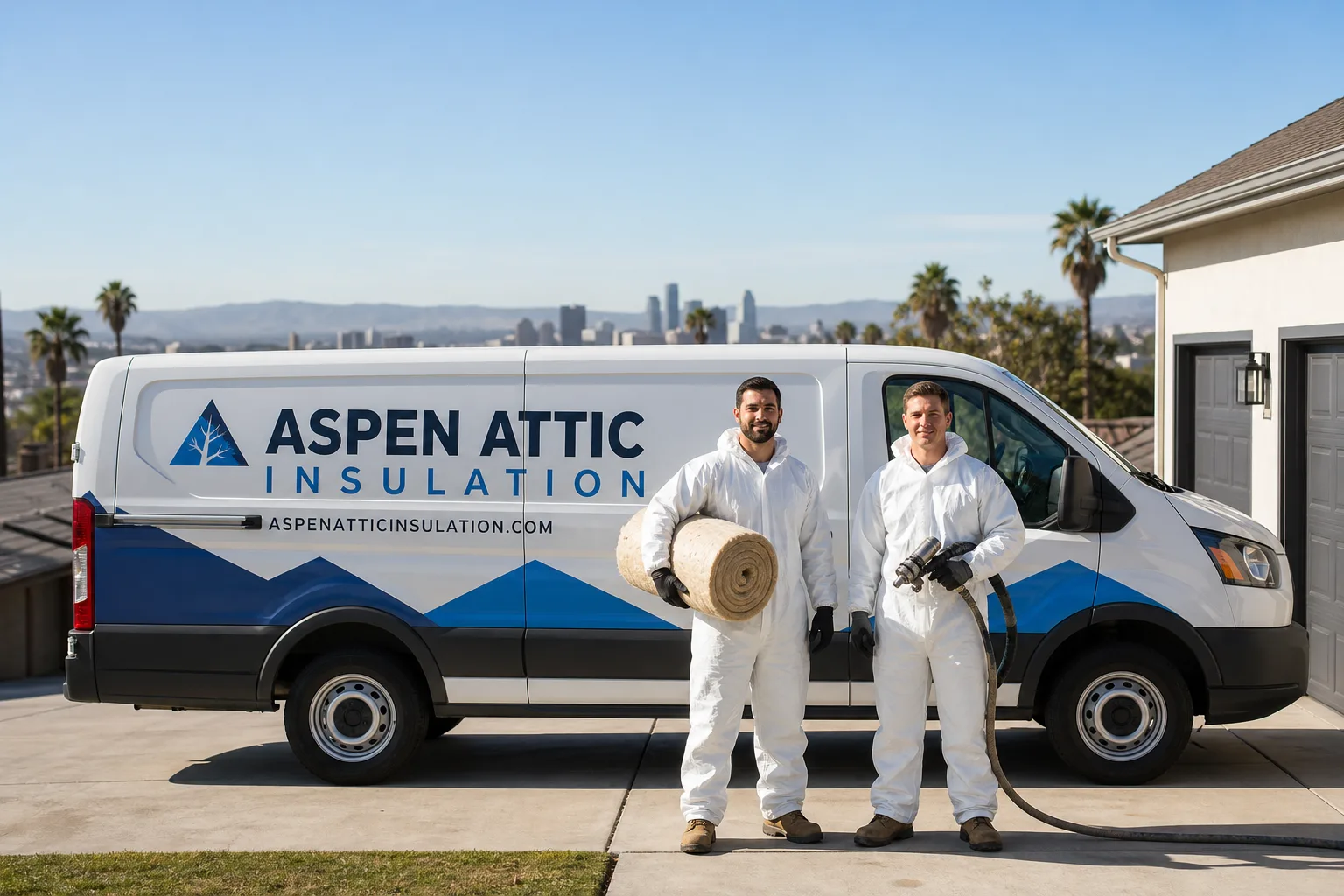
Fast, Reliable Blown In Insulation Across Desert Hot Springs
Blown-in insulation in Desert Hot Springs typically costs $1.80 – $3.20 per square foot installed, with most single-story homes running $1,400 – $2,800 for a full attic. Our crews are dispatched from the Inland Empire office and usually reach Desert Hot Springs properties within 45 – 60 minutes. Call (864) 428-1615 for a free written estimate before any work begins.
We’ve worked in Desert Hot Springs long enough to know the real enemy here isn’t just heat. It’s the wind-driven sand blasting through the San Gorgonio Pass, filling attics and grinding down insulation that would last decades elsewhere. Our Blown In Insulation team treats every Desert Hot Springs job as a sealing challenge first, an insulation job second. That means vacuuming out compacted, sand-loaded old material, inspecting for evaporative-cooler moisture damage, and installing new blown-in cellulose or fiberglass with a dust-blocking strategy built in.
Why Aspen Attic Insulation Is Desert Hot Springs’s Preferred Blown In Insulation Company
Desert Hot Springs homeowners don’t open their doors to strangers easily, and they shouldn’t have to. Every technician we send is background-checked, identity-verified, and photographed before the visit. You’ll get that name and photo by text or email. If anyone else shows up, the visit is free and we make it right. That’s The Threshold Standard, and it’s how we’ve operated since 2002.
Our reviews from Desert Hot Springs customers consistently mention two things: the technician showed up exactly as described, and the written price matched the final bill. No post-job surprises. No “we found something else” add-ons. The 365-Day Done Right Promise covers every job in writing, labor and materials, with a free second visit if anything fails.
Response time matters when your evaporative cooler is cycling nonstop on a 108°F afternoon. We answer calls with a live person 24/7, and most Desert Hot Springs appointments are scheduled same-day or next-day. Our crews know the local housing stock: the 1950s – 1970s slab-on-grades near Pierson Boulevard, the stucco tract homes off Two Bunch Palms Trail, the low-pitched roofs that trap heat in the Mission Lakes area. That familiarity saves time and prevents callbacks.
Cellulose Insulation in Desert Hot Springs
Cellulose Insulation in Desert Hot Springs is our most common retrofit for older homes with compacted or sand-contaminated attic material. We blow treated cellulose fiber into the attic cavity to fill gaps around top plates, recessed light housings, and duct boots where fiberglass batts never sat right. A typical Desert Hot Springs cellulose installation runs $1.60 – $2.80 per square foot, with most 1,200-square-foot attics landing between $1,400 and $2,400 depending on prep work needed.
Vacuuming Out Sand-Loaded Old Material
We don’t blow new insulation over a sand-caked mat. Our crews use commercial vacuums to remove the compacted layer first, then inspect the attic floor for gaps where San Gorgonio Pass wind is entering. That prep adds $300 – $600 to most jobs, but skipping it means your new insulation starts dirty and loses R-value within a few years.
Fire and Pest Resistance
The cellulose we install is borate-treated, which matters in Desert Hot Springs where dry conditions attract roof rats and pack rats. Borate deters pests without the chemical load of spray pesticides. It also adds fire resistance, a useful property in a city where summer lightning strikes and wind-driven embers are real concerns.
Blown In Attic Insulation in Desert Hot Springs
Blown In Attic Insulation in Desert Hot Springs addresses the specific failure mode we see repeatedly: original R-11 fiberglass or rock wool that has settled, compacted, or been infiltrated by wind-driven sand until it barely functions. We typically upgrade these attics to R-38 or R-49 with new blown-in material, properly air-sealed against the desert environment. Expect $1.80 – $3.20 per square foot for a full removal and replacement, or $1.20 – $2.00 per square foot if we’re adding over existing material in good condition.
Sealing Against Wind and Dust
We seal attic penetrations with expanding foam and metal flashing before blowing new insulation. Recessed can lights get sealed housings or covers. The goal is stopping the sand before it reaches your insulation. In Desert Hot Springs, this sealing step is non-negotiable. We’ve seen attics where unsealed gaps allowed enough sand infiltration to form a visible layer across the attic floor in under three years.
Evaporative Cooler Considerations
Many Desert Hot Springs homes still run evaporative coolers, which introduce moisture into attic ductwork. We inspect flex duct connections for leaks and check for cellulose clumping near cooler penetrations. If moisture damage is present, we recommend encapsulating with a vapor-permeable membrane before adding new blown-in material.
Trusted Brands We Service in Desert Hot Springs
We stock materials from eight industry-leading manufacturers so we match the product to your specific attic condition, not just what’s on the truck. For Desert Hot Springs jobs, we frequently specify Knauf Jet Stream fiberglass for its resistance to sand infiltration, Rockwool blown-in for fire-prone areas near the wildland interface, and CertainTeed InsulSafe for its consistent coverage in low-pitched attics where depth is limited. Johns Manville Climate Pro is our go-to when we need a high-recovery product that fills irregular cavities around older ductwork. Because we keep these materials in our Inland Empire warehouse, most Desert Hot Springs installations don’t face supply delays. The right product goes in, not just the available one.
Common Blown In Insulation Problems We See in Desert Hot Springs Homes
- Sand-compacted insulation mats. Wind from the San Gorgonio Pass drives fine particles through gable vents, soffit gaps, and ridge vent openings. Over 8 – 10 years, this sand mixes with cellulose or fiberglass and compacts into a dense, low-R-value mat that traps heat instead of blocking it. We remove these mats entirely before installing new material.
- Uneven settling around recessed lights and top plates. Original R-11 batts in 1960s and 1970s Desert Hot Springs homes were rarely cut carefully around obstacles. Decades of thermal cycling cause the material to pull away, leaving direct thermal bypasses. Blown-in insulation fills these gaps properly, but only after we air-seal the bypass paths.
- Evaporative cooler moisture damage. Cooler ducts running through unconditioned attics sweat during humid monsoon periods. Moisture plus dust creates clumped, degraded cellulose that loses both insulating value and fire resistance. We inspect for this condition and replace affected sections before blowing new material.
- Inadequate depth on low-pitched roofs. Many Desert Hot Springs homes, especially in the Miracle Hill and Skyborne areas, have roof pitches under 3:12 with limited attic height. Original installers often skimped on material depth. We use higher-density blown products to achieve target R-values within the available space.
Pricing for Blown In Insulation in Desert Hot Springs, CA
A typical blown-in attic insulation job in Desert Hot Springs runs $1,400 – $2,800 for a standard 1,000 – 1,500 square foot single-story home. Add $300 – $600 if we need to vacuum out old sand-compacted material first. Complex jobs with extensive air sealing, recessed light covers, or evaporative cooler duct repairs can reach $3,200 – $4,000. We give you a written price before any work starts. Every time. No exceptions.
What moves the number? Three things: how much old material needs removal, how many attic penetrations need sealing, and whether your target is R-38 or R-49. Homes near the windier western edge of Desert Hot Springs, closer to the Pass, often need more extensive sealing work. We price that in upfront, not as a surprise halfway through. Call (864) 428-1615 for your free estimate.
We Also Serve Cities Near Desert Hot Springs
Our crews regularly work in Palm Springs, Cathedral City, Thousand Palms, and Rancho Mirage. Each city has different conditions, different housing stock, and different insulation challenges. If you’re searching for Blown In Insulation in Desert Hot Springs specifically, we keep our scheduling and material staging optimized for fast response to your area.
Serving Desert Hot Springs, CA - Our Local Coverage Area
We’re based in the Desert Hot Springs area and know this community well. Use the map below to see our service coverage - if you’re nearby, we can almost certainly help.
FAQs About Blown In Insulation in Desert Hot Springs
Yes. The San Gorgonio Pass funnels persistent wind loaded with fine sand directly into Desert Hot Springs attics through vents and gaps. We’ve removed cellulose that compacted into a dense, sand-caked mat within 8 – 10 years, where the same product would last 20+ years in sheltered Palm Springs attics. Proper air sealing during installation is the only effective defense. Call (864) 428-1615 and we’ll inspect your attic for infiltration paths.
Sometimes, but usually not. Original R-11 in Desert Hot Springs homes is often compacted, unevenly settled, or contaminated with decades of dust and sand. Blowing over it traps those problems and prevents proper depth. We typically vacuum out the old material, seal the attic floor, then install new blown-in insulation to modern R-38 or R-49 standards. Call (864) 428-1615 for a free assessment of your specific attic condition.
Evaporative coolers add moisture to attic air during monsoon season and through duct leaks year-round. Standard cellulose can clump and degrade under repeated wet-dry cycles. We often specify borate-treated cellulose with a vapor-permeable encapsulation layer, or shift to fiberglass blown-in products that don’t absorb moisture. The right choice depends on your cooler’s condition and duct routing. We evaluate both during our free estimate.
R-38 is the minimum we recommend for Desert Hot Springs, and R-49 is worth the modest additional cost for homes with older HVAC systems or evaporative coolers. The extreme temperature delta, 105°F+ days against 40°F winter nights, means your attic works harder here than in milder climates. Higher R-value slows heat gain in summer and heat loss in winter, reducing the load on whatever cooling and heating system you run.
Blown-in insulation itself doesn’t block sand, but proper installation includes the air sealing that does. We seal soffit vents with baffles, install ridge vent filters rated for fine particles, and foam-seal all attic penetrations before blowing insulation. The insulation then helps maintain positive pressure relationships that reduce infiltration. For homes directly in the San Gorgonio Pass wind path, we may recommend additional gable vent screening. Every solution is specific to your home’s exposure and construction.
Ready to stop throwing money at an overworked cooler and start keeping the desert outside where it belongs? Call Aspen Attic Insulation at (864) 428-1615. We’ll send you our technician’s name and photo before the visit, put the exact price in writing before any work starts, and back every job with our 365-Day Done Right Promise.
Written by Garrett Sloane, Owner at Aspen Attic Insulation, serving Desert Hot Springs since 2002.