
Owens Corning Attic Insulation in Los Angeles: A Homeowner’s Guide
Owens Corning’s pink fiberglass is one of the most recognized insulation brands in America. It’s also sold to contractors with no installation certification required, which means the brand name on the bag tells you nothing about the quality of the job. In Los Angeles, where attics can hit 140°F in August and nights drop into the 40s in January, the person installing the insulation matters as much as the product itself. This guide explains what Owens Corning actually sells, what certification means, what it costs, and how to avoid paying a premium for a brand name on a badly done job. If you’d rather skip the research and talk to someone who installs this material every week, call us at (864) 428-1615 for a free estimate.
Key Takeaways
- Owens Corning makes batts, blown-in loosefill, and the AttiCat system. Each works better or worse depending on your attic’s condition.
- “Uses Owens Corning products” and “Owens Corning certified installer” are two different things. Certification requires training, ongoing testing, and adherence to installation specs.
- The Owens Corning product warranty covers the material, not the labor. If the installer does a poor job, the product warranty won’t save you.
- In Los Angeles, air sealing before insulating matters more than the brand of insulation you choose.
- Always ask for written proof of certification, a written price, and a separate workmanship warranty before signing anything.
What Owens Corning Actually Sells for Attics
Owens Corning’s attic insulation line breaks into three main products. Knowing which one fits your Los Angeles home starts with understanding what each does.
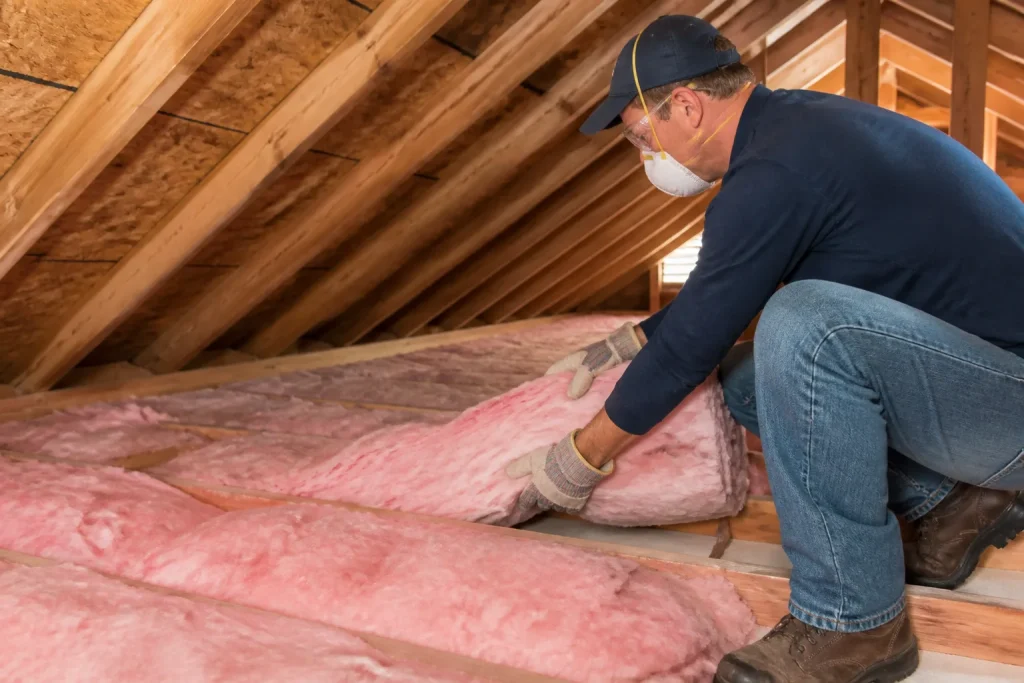
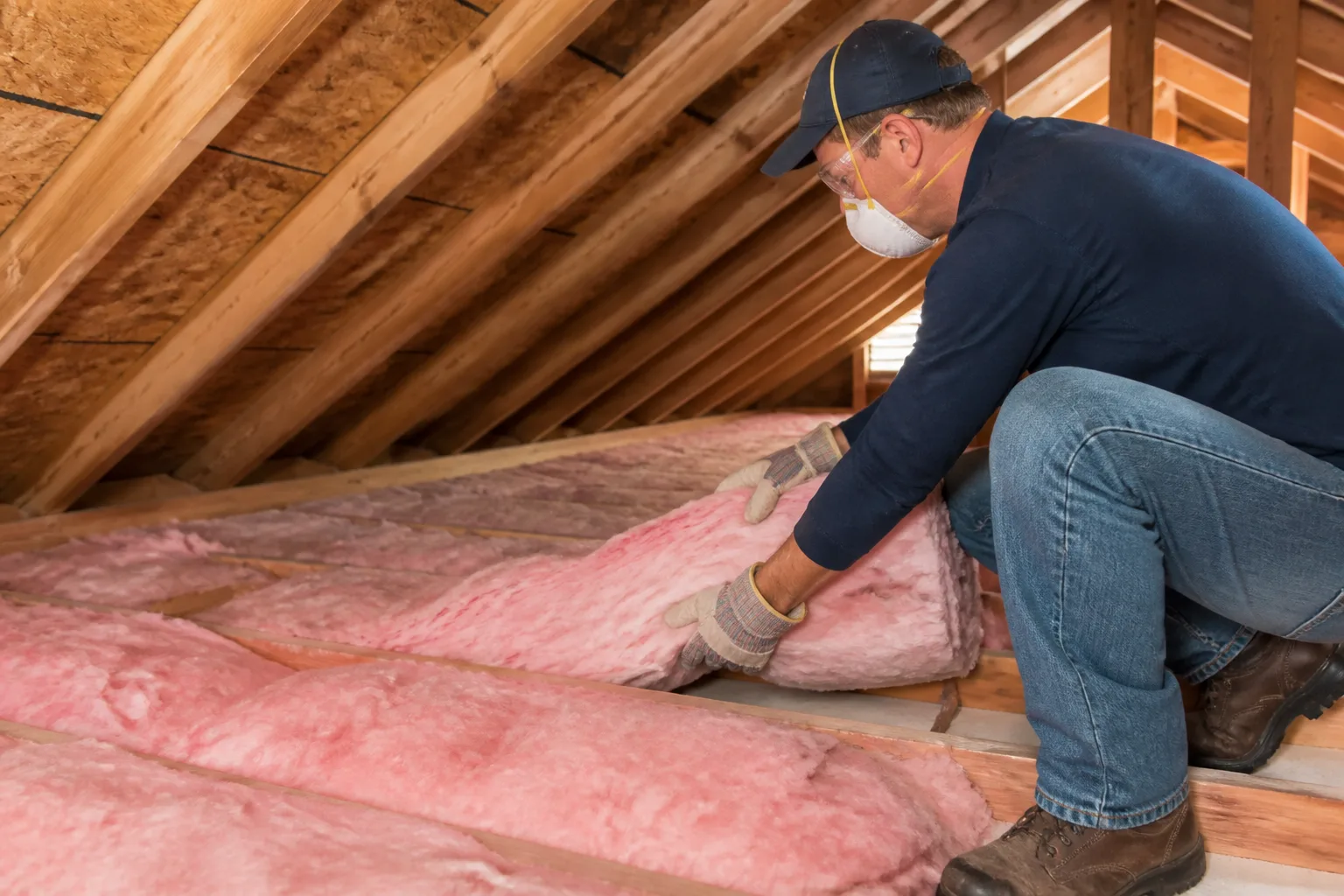
Faced fiberglass batts. These are the pink rolls with a kraft paper or foil facing on one side. The facing acts as a vapor retarder. In Los Angeles, faced batts are typically installed in the attic floor joists with the facing pointed down toward the living space. They’re most common in newer construction and remodels where the attic is unfinished and will never be used for storage. The downside: batts only work as rated when they’re cut precisely around every electrical box, recessed light, and plumbing vent. A sloppy batt job leaves gaps that can cut the effective R-value by 30% or more.
Unfaced fiberglass batts. Same pink fiberglass, no paper backing. These are used when adding a second layer over existing insulation or in situations where a separate vapor barrier is already in place. In Los Angeles, we see unfaced batts used most often when a homeowner wants to top off their existing attic insulation without removing what’s already there.
Blown-in loosefill and the AttiCat system. The AttiCat is Owens Corning’s proprietary blowing machine and loosefill product combination. The insulation is a fiberglass loosefill that gets fed through a hose and blown into the attic cavity. It’s well-suited to Los Angeles because the loose fibers fill irregular spaces that batts can’t: around trusses, over crossing joists, into the awkward corners where walls meet rooflines. The AttiCat system also allows for precise depth control, which matters when you’re targeting a specific R-value.
One thing to know: Owens Corning also sells a mineral wool product line under the Thermafiber brand, but for attics, the fiberglass batts and loosefill dominate the Los Angeles market. We also work with Aspen Attic Insulation home customers who compare Owens Corning against alternatives like Rockwool and CertainTeed before choosing. Each has strengths; the right choice depends on your attic, your budget, and whether you’re insulating to keep heat out in summer, hold it in during winter, or both.
Certified Installer vs. Guy Who Bought the Pink Bags
This is the single biggest point of confusion for Los Angeles homeowners, so let’s be direct about it.
Owens Corning sells its products through distribution channels that don’t require any proof of installation skill. Any licensed contractor can walk into a supply house, buy Owens Corning batts or AttiCat loosefill, and advertise “Owens Corning insulation installed.” That statement is technically true and functionally meaningless.
An Owens Corning certified installer is different. The company operates a contractor certification program that requires training on proper installation techniques, adherence to specified depth and density standards, and ongoing quality audits. Certified contractors can offer something the uncertified ones can’t: an Owens Corning-backed installation warranty that covers both material and workmanship, not just the product. That distinction is worth real money.
Why does it matter in Los Angeles specifically? Because our attics punish shortcuts harder than most. The temperature swings here are brutal on an under-insulated attic, and the older housing stock in neighborhoods like West Adams, Highland Park, and Van Nuys often has attics with irregular framing, old knob-and-tube wiring remnants, and decades of accumulated dust. A certified installer is trained to handle those conditions correctly. A contractor who just bought the pink bags might not be.
Before you sign with any contractor claiming an Owens Corning connection, ask for proof of certification. The real thing comes with a certificate number and can be verified. If they hesitate or say something vague, that’s your answer.
How Owens Corning Warranties Actually Work
There are two warranty documents in play when you install Owens Corning insulation, and mixing them up costs Los Angeles homeowners real money every year.
The product warranty. This comes from Owens Corning and covers the insulation material itself. Fiberglass doesn’t rot, doesn’t settle significantly when installed to spec, and doesn’t lose R-value over time under normal conditions. If the material is defective, Owens Corning will replace it.
The installation warranty. This comes from the contractor who installs it. Owens Corning’s product warranty explicitly excludes damage or performance issues caused by improper installation. If the installer doesn’t air seal, doesn’t achieve consistent depth, or leaves gaps, the product warranty won’t help you. You’re relying on the contractor’s own workmanship warranty.
Here’s what voids an Owens Corning product warranty: removing or disturbing the insulation, installing it in a way that doesn’t meet Owens Corning’s published specs, or using it in an application it wasn’t designed for. Roof leaks, rodent damage, and homeowner alteration are also excluded. That last one matters in Los Angeles, where attics double as storage spaces. If you drag boxes across your attic floor and compress the fiberglass, you’ve reduced its R-value and likely voided the warranty.
At Aspen Attic Insulation, we back every installation with our own written 365-Day Done Right Promise. It covers labor and materials for a full year, and if something isn’t done right, we return and make it right at no charge. That’s separate from whatever Owens Corning offers, and in our experience, it’s the contractor’s warranty that actually gets used when problems come up.
What Owens Corning Attic Insulation Costs in Los Angeles
Let’s talk numbers, because homeowners deserve to walk into an estimate already knowing what’s reasonable.
For a typical Los Angeles attic of 1,200 to 1,800 square feet, here’s what you should expect to pay for Owens Corning product lines, installed:
| Insulation Type | Typical Los Angeles Price Range |
|---|---|
| Faced fiberglass batts (R-30 to R-38) | $1.90 – $2.75 per square foot |
| Unfaced fiberglass batts (topping off existing) | $1.40 – $2.10 per square foot |
| AttiCat blown-in loosefill (R-38, includes air sealing) | $2.30 – $3.10 per square foot |
| AttiCat blown-in over existing insulation (R-19 add-on) | $1.60 – $2.20 per square foot |
These ranges reflect work we’ve quoted and completed across Los Angeles, from Mid-City to Sherman Oaks to Eagle Rock. Several factors shift the price: attic access (a scuttle hole in a closet costs less to work through than a garage ceiling hatch), the presence of old insulation that needs removal, and how much air sealing the attic requires. In neighborhoods like San Pedro and the Palisades, where coastal moisture creates different attic conditions, we sometimes recommend a different approach entirely.
The AttiCat system tends to run slightly higher than basic blown-in fiberglass because the equipment allows for tighter density control and the certified install process takes more time. But in a Los Angeles attic with irregular joist spacing, it’s often the better value because the consistent depth translates to consistent performance.
We pulled a job out of a house in North Hollywood last month where the previous contractor had blown R-19 loosefill over an attic that was never air sealed. The homeowner was paying for R-38 performance and getting maybe half of it. We removed everything, sealed the penetrations, and reinstalled to spec. The new attic runs 12 degrees cooler in the afternoon. Insulation only performs as rated when the prep work is done first.
Los Angeles-Specific Considerations: Why Air Sealing Comes First
Here’s the thing most insulation guides won’t tell you: in Los Angeles, the biggest thermal leaks in your attic aren’t the uninsulated spaces. They’re the gaps.
Every recessed light can, every plumbing vent, every electrical wire penetration, every spot where a wall meets the ceiling. These openings let conditioned air escape from your living space into the attic all day long. In summer, your AC works harder. In winter, your heat disappears upward. Blowing Owens Corning loosefill over those gaps without sealing them first is like putting on a thick coat over a shirt full of holes.
The AttiCat blown-in system is well-suited to LA’s loose-fill market precisely because it fills around obstacles well. But it only performs as rated when the attic is properly air sealed first. That means sealing around penetrations with foam or caulk, addressing any recessed lights that aren’t IC-rated, and ensuring the attic access hatch has a proper seal. In older Los Angeles homes, especially the 1920s and 30s bungalows in neighborhoods like Echo Park and Jefferson Park, air sealing is where most of the energy savings actually come from.
For our Attic Insulation in Los Angeles customers, we always include air sealing as part of the job, not an add-on. It’s not optional if you want the insulation to do what the R-value promises.
Three Questions to Ask Any Contractor Claiming to Be an Owens Corning Partner
Before you sign anything with any contractor in Los Angeles who’s waving the Owens Corning name around, ask these three questions. A legitimate operation will answer all three without blinking.
- “Can I see your Owens Corning certification number?” Certified installers can produce this immediately. If they can’t, they’re using the product but not the certification, which means you lose the workmanship-backed warranty.
- “Will you air seal before installing, and is that in writing?” In Los Angeles, this is the difference between an attic that actually holds temperature and one that just looks insulated. Get it in the written quote.
- “What’s your own workmanship warranty, and what does it cover?” Owens Corning covers the material. The contractor covers the labor. If they can’t point to a written workmanship warranty, you’re betting thousands of dollars on a handshake.
These aren’t trick questions. They’re the three questions that separate the good jobs from the expensive regrets.
The Bottom Line
Owens Corning makes excellent insulation. The pink fiberglass earned its reputation honestly. But in Los Angeles, the gap between a certified Owens Corning install and a contractor who just buys the pink bags matters more than which product is in those bags. The product warranty won’t save you from a bad installation, the R-value on the bag assumes proper prep work, and air sealing is the step that actually determines whether your energy bills drop.
If you’re in Los Angeles and want an insulation job done with a written price upfront and a written guarantee behind it, Aspen Attic Insulation offers free estimates. Call (864) 428-1615 and a live person answers, day or night.
Frequently Asked Questions
Owens Corning fiberglass typically costs 10-20% more than generic fiberglass, but the R-value performance is essentially identical when both are installed correctly. What you’re paying for with Owens Corning is the certification ecosystem and the option of a product-backed warranty. If you’re choosing a certified installer, the premium makes sense. If you’re just buying the brand name off the bag, it doesn’t. Call (864) 428-1615 and we’ll walk you through the math for your specific attic.
For Los Angeles, the Department of Energy recommends R-30 to R-38 for attics in our climate zone, though many homeowners go to R-38 or R-49 when they plan to stay long-term. The right number for your home depends on your current insulation, your attic’s condition, and whether you have HVAC ductwork running through the space. We can assess that in one visit and give you a written price on the spot.
Yes, in most cases. Blown-in loosefill can be installed directly over existing insulation as long as the old material is dry, free of rodent damage, and not compressed. The existing insulation just needs to be inspected first, which is part of what we do before any installation in Los Angeles. If the old insulation is compromised, removing it first is the better call.
Fiberglass insulation can last 80-plus years as a material, which is effectively the life of the house. What shortens its useful life in Los Angeles is moisture intrusion, rodent activity, and compression from storage or foot traffic. If your attic has been used for storage for 15 years, the insulation is likely underperforming even if it looks fine. A quick inspection tells you what you’re working with.
Written by Garrett Sloane, Owner at Aspen Attic Insulation, serving Los Angeles since 2002.
Need Insulation Help?
Call Aspen Attic Insulation - licensed & insured, here with fast after-hours help in Los Angeles.
(864) 428-1615