
How to Choose the Right Insulation Company in Los Angeles
Choosing an insulation company in Los Angeles comes down to three things: verified people, written prices, and a guarantee you can enforce. If a contractor can’t show you all three before work starts, keep looking. The company you hire should send you the technician’s name and photo before the visit, put the full scope and cost in writing before any material lands in your attic, and stand behind the work for at least a full year. If you’d rather skip the legwork, call Aspen Attic Insulation home at (864) 428-1615 and we’ll walk you through the process.
Los Angeles has over 400 licensed insulation and weatherization contractors. That’s a lot of choice, but the CSLB complaint database tells a story most homeowners never hear: insulation disputes are disproportionately tied to subcontracted labor the homeowner didn’t know was coming. The five-star review average on a profile page doesn’t tell you who’s actually climbing into your attic on a Tuesday morning. Here’s how to vet for what actually matters.
Check the CSLB License Before You Check the Reviews
Before you read a single star rating, run the contractor’s name through the California State License Board lookup. It takes ninety seconds and it’s free. You’re looking for two things: an active license and the right classification for the work.
The specific classification for insulation is a C-2 insulation and acoustical contractor license. A general B license lets a contractor pull permits and run a job site, but it doesn’t mean insulation is their trade. In our experience, a general contractor doing insulation on the side often subs the work to a crew they’ve never met in person. A C-2 holder has passed a trade exam specifically about insulation materials, ventilation, and installation standards.
Here’s your license check checklist for Los Angeles:
- License is active (not expired, suspended, or revoked)
- Classification is C-2, not just a general B
- Workers’ compensation insurance is on file (protects you if a worker gets hurt in your home)
- The name on the license matches the name on the contract
- No unresolved CSLB complaints in the last three years
We tell homeowners to do this before the first phone call. It filters out the worst actors in about five minutes.
The Dangerous Free Estimate: Why “No Cost” Can Cost You
A free estimate sounds great until you realize it’s free because nothing about it is committed to paper. Here’s what a real Los Angeles insulation estimate should include, in writing, before you agree to anything:
- Exact scope of work: which areas, what square footage, what R-value target
- Specific materials by brand name, not just “fiberglass” or “foam”
- Total price, including labor, materials, and disposal
- The name of the technician who will do the work
- Start date and projected completion date
- Guarantee terms with a defined duration and defined remedy
If the estimate is a verbal number or a one-line email, walk away. A written price is what separates a contractor who stands behind their number from one who will “discover” additional fees once the attic is torn open. We put our price in writing before any work starts, on every job. No exceptions. That’s the whole point of an estimate.
Four Questions That Separate Insulation Specialists From Moonlighting General Contractors
Ask these on the first call. A specialist answers immediately. A generalist stalls.
- “What’s your CSLB classification?” The right answer is C-2. If they say “we’re fully licensed” without specifying, push for the number and look it up yourself.
- “Who exactly will be in my attic, and will I know their name before they arrive?” If they can’t commit to telling you who’s coming, that’s a red flag. Subcontracting isn’t bad by itself, but unidentified subcontracted labor is where most insulation disputes begin.
- “What materials do you stock, and who makes them?” A real insulation contractor works with named brands like Rockwool, CertainTeed, and Icynene, and can explain why one is better for your attic than another. If the answer is “whatever you want,” they’re not advising you, they’re just selling you labor.
- “What does your guarantee cover, in writing, and for how long?” Listen for a specific number of days and a specific remedy. “We stand behind our work” is not a guarantee. “365 days, covering labor and materials, with a free second visit if a repair fails” is.
When we send a technician to a Los Angeles home, the homeowner gets the tech’s name and photo before the visit. If anyone else shows up at the door, the visit is free and we make it right. That’s The Threshold Standard, and it’s how we’ve operated.
How to Read a Written Guarantee So It Actually Protects You
Most guarantees are written to sound good while covering as little as possible. Here’s the language to watch for.
Enforceable guarantee language:
- A specific term: “365 days” or “one year from the date of installation”
- A defined scope: “covers labor and materials related to the insulation installation”
- A defined remedy: “we will return and correct the issue at no charge”
- A trigger condition: “if the insulation fails to perform as specified”
Escape-hatch language to avoid:
- “We stand behind our work” (no duration, no scope, no remedy)
- “Covered under manufacturer warranty” (passes responsibility to the material maker, not the installer)
- “Normal wear and tear excluded” without defining normal wear
- “At our discretion” anywhere in the remedy clause
Our guarantee is the Done Right Promise. It’s a written guarantee covering every repair for a full year. If the repair fails, the second visit is free. That’s the entire promise, and it’s in writing on every job. No asterisk, no “at our discretion.”
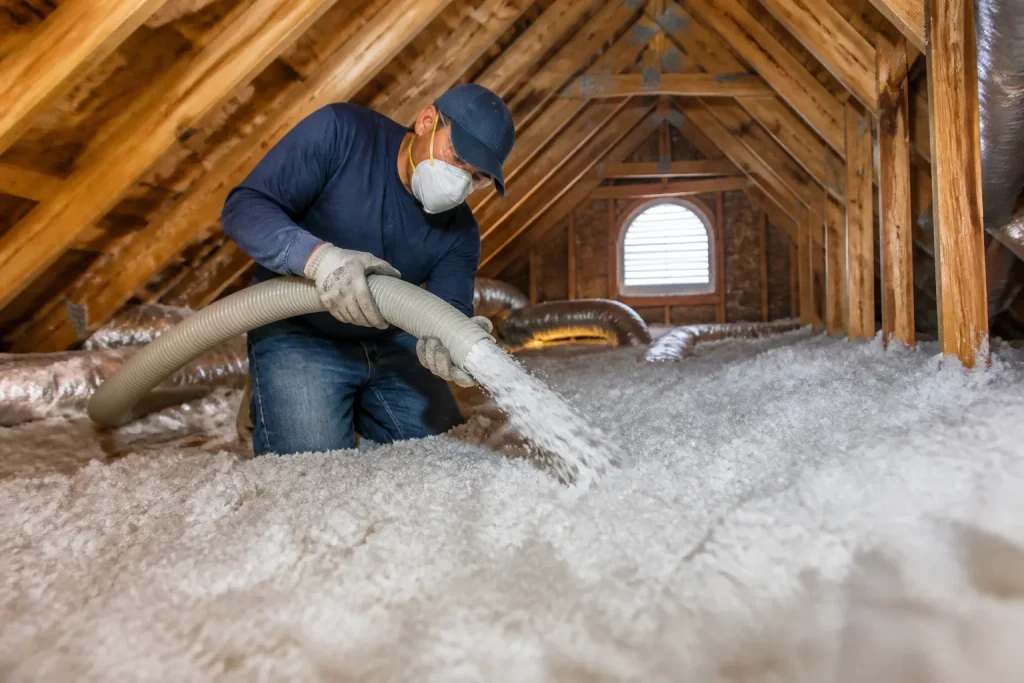
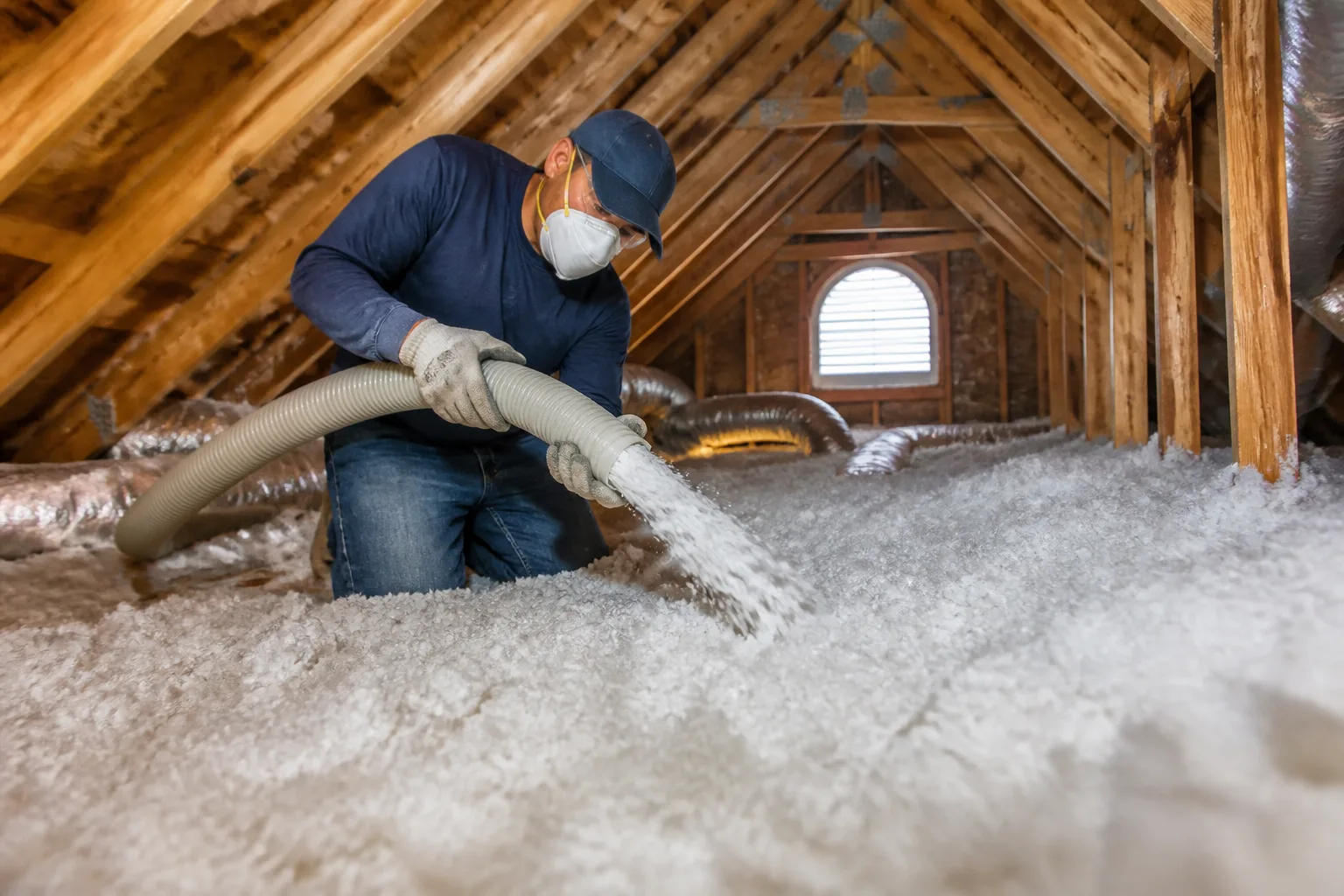
When to call a pro: if you’re reading this while standing under a sagging attic hatch, holding a flashlight, wondering if that gray fluff is fiberglass or cellulose, it’s time. Improper insulation causes uneven temperatures, higher bills, and in some cases moisture problems that damage the roof deck. A trained Los Angeles insulation contractor will diagnose the specific issue and put the fix in writing. Related services: Attic Insulation in Los Angeles covers batts, loose-fill, and removal; Blown In Insulation in Los Angeles is what you need if your attic has gaps and uneven coverage.
The Lowest Quote: Three Hidden Cost-Shifts to Spot Before You Sign
When one Los Angeles insulation bid comes in dramatically lower than the others, the money didn’t disappear. It moved. Here’s where it goes.
1. The material downgrade. The quote says “fiberglass” but doesn’t specify the brand or R-value. Insulation effectiveness is measured in R-value per inch; cheaper material means lower R-value per inch, which means you need more of it to hit the same performance, which means the “savings” evaporate. Premium brands like Rockwool and CertainTeed cost more for a reason: consistent density, consistent R-value, and better fire resistance.
2. The labor shortcut. The quote assumes one person, one day. Real insulation work in Los Angeles attics, especially in summer when attic temperatures hit 130 degrees, takes two people to do safely and correctly. One person rushing through the job means gaps, compression, and uneven coverage. You’ll pay for that in higher energy bills for years.
3. The scope shrink. The quote covers “attic insulation” but the fine print excludes air sealing, vent baffles, or the crawl space that’s losing just as much conditioned air. The work gets done, the bill stays low, and the house still feels drafty. You’ll be calling someone else in eighteen months to fix what should have been done the first time.
In our experience, a legitimate Los Angeles insulation bid should be within about 10 to 15 percent of competing bids for the same scope and materials. If someone is 40 percent lower, the scope isn’t the same. We source materials from industry-leading brands and match the product to the specific need, not the other way around. When someone offers Icynene or Demilec spray foam, for example, we explain exactly what that product does in a Los Angeles climate and whether it’s the right call for your specific attic.
Why the Person Coming to Your Door Matters More Than the Company Name
Reviews tell you what happened to someone else. The technician protocol tells you what will happen to you. Here’s what we think a homeowner in Los Angeles should demand from any insulation company before opening the front door:
- The technician’s full name, sent to you before the visit
- A photo of the technician, so you can verify at the door
- A photo ID badge shown at the door, every time
- A clean, marked uniform so there’s no question who they are
- Background check and identity verification on file
That’s the entire list. If a company can’t do those five things, you don’t actually know who’s entering your home. We pulled a job out of a garage over in Highland Park last week where the homeowner had paid a “five-star” contractor in full and never learned the name of the man who did the work until the invoice came back wrong. That’s not a rare story. It’s the default for companies that sell the job and sub the labor.
Aspen Attic Insulation was founded in 2002 as part of the Threshold Group family, and every technician operates to The Threshold Standard: background-checked, identity-verified, name and photo sent before the visit, ID badge at the door. If that sounds like a lot of process for insulation, it is. That’s the point.
Key Takeaways
- Run the CSLB license lookup first, and look for a C-2 classification, not a general B
- Demand a written estimate with exact scope, named materials, and total price
- Ask who exactly will be in your attic and whether you’ll know their name beforehand
- Read the guarantee for a specific term, scope, and remedy, not a vague promise
- Be suspicious of quotes more than 15 percent below the competition
- Require name, photo, ID badge, and marked uniform before you open the door
What Insulation in Los Angeles Actually Costs
Pricing varies by home size, material, and accessibility, but here’s what homeowners in Los Angeles should expect based on current market rates:
| Service | Typical LA Price Range |
|---|---|
| Blown-in fiberglass or cellulose (attic, 1,500 sq ft) | $1,800 – $3,500 |
| Spray foam insulation (attic, 1,500 sq ft) | $3,500 – $7,000 |
| Air sealing (attic and crawl space) | $800 – $2,200 |
| Attic insulation removal and replacement | $2,500 – $5,500 |
These are market ranges for Los Angeles, not quotes. Your specific house, attic access, and material choice will shift the number. Call (864) 428-1615 and we’ll give you a written price before any work starts, no surprises after.
The Bottom Line
Choosing an insulation company in Los Angeles isn’t about finding the most reviews or the lowest bid. It’s about verifying the license, demanding a written price, reading the guarantee for enforceable language, and knowing exactly who will walk through your door. Most homeowner regrets in insulation aren’t about the material, they’re about the person. If you’re in Los Angeles and need help, Spray Foam Insulation in Los Angeles or Blown In Insulation in Los Angeles are both services we offer with the same written price and Done Right Promise. Call (864) 428-1615 for a free estimate, answer the four questions from this post with us on the line, and see the difference a verified technician makes.
Frequently Asked Questions
Run the company name through the California State License Board’s online license lookup, which is free and available 24/7. Look for an active C-2 insulation and acoustical contractor classification, workers’ compensation insurance on file, and no unresolved complaints. A general B license is not a substitute for C-2 specialization.
If your insulation is less than ten years old and the problem is limited to one area (a gap, a compressed section, a pest-damaged corner), repair is usually cheaper. If the insulation is over fifteen years old, uneven, or contaminated, replacement is more cost-effective because you avoid paying labor twice. Call (864) 428-1615 for an exact quote, estimates are free.
Many companies offer same-day or next-day estimates, but same-day installation depends on the scope and the company’s schedule. We answer the phone live 24/7, so you won’t sit in a voicemail loop waiting for a call back. Call (864) 428-1615 and we’ll tell you what’s possible for your specific attic.
The Department of Energy recommends R-30 to R-60 for attics in Los Angeles’ climate zone, depending on your existing insulation and your home’s construction. A written estimate should state the target R-value explicitly. If the estimate doesn’t mention R-value, the contractor isn’t actually specifying the job, they’re just guessing. Call (864) 428-1615 and we’ll assess what your attic currently has and what it needs.
Written by the team at Aspen Attic Insulation.
Need Insulation Help?
Call Aspen Attic Insulation - licensed & insured, here with fast after-hours help in Los Angeles.
(864) 428-1615