
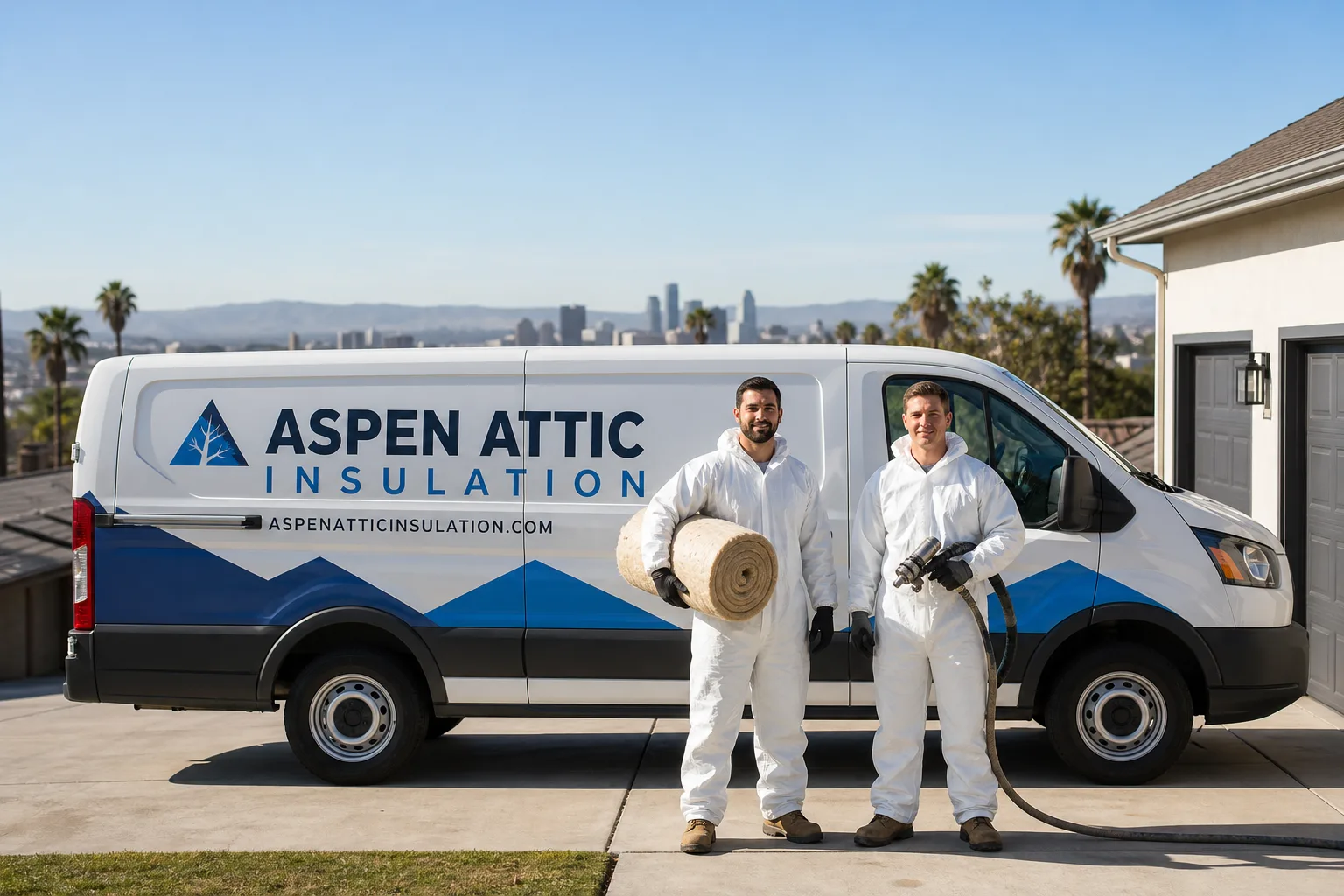
Fast, Reliable Attic Insulation Across Pleasant Hill
Most attic insulation jobs in Pleasant Hill run $1,800 – $4,500 depending on whether we’re topping up existing material or stripping degraded batts and starting fresh. Our crews are dispatched from the San Francisco Bay Area office and typically reach Pleasant Hill homes the same day or next day. Call (864) 428-1615 for a written estimate before any work begins.
We’ve worked in the ranch and split-level homes that dominate Pleasant Hill’s Gregory Gardens, Poets Corner, and Sequoia Manor neighborhoods long enough to know what the inspectors will flag. The 1960s fiberglass batts in these attics don’t just underperform. They fail Title 24 verification when homeowners pull permits for solar panels or battery storage, forcing an insulation upgrade as a condition of the permit. That permit-triggered failure loop is specific to Pleasant Hill’s housing stock and its wildfire-code overlay. We built our Attic Insulation process around clearing that loop the first time.
Why Aspen Attic Insulation Is Pleasant Hill’s Preferred Attic Insulation Company
Garrett Sloane and our team have handled enough Pleasant Hill permits to know the inspection checklist by heart. When a homeowner on Toyon Drive called us after their battery storage permit failed Title 24, we removed the degraded 1960s batt insulation, air-sealed the top plates, and blew in Owens Corning LooseFill to the required R-value. The permit passed without a re-inspection.
Our technicians are background-checked, identity-verified, and sent to your door by name and photo before the visit. You’ll see exactly who is arriving, in a clean marked uniform, with a photo ID badge. If anyone else shows up, the visit is free and we make it right. That’s The Threshold Standard, and it applies to every Attic Insulation in Pleasant Hill job we take.
A live person answers our phone 24/7. No voicemail loops. No call-back windows. And every homeowner receives a written price before any work starts, backed by our 365-Day Done Right Promise. If the repair fails, we come back free.
Attic Ventilation in Pleasant Hill
Attic Ventilation in Pleasant Hill is often the missing piece that makes new insulation perform the way it should. The hot, dry summers and mild, wet winters here push moisture and heat through unsealed low-slope attics. Without proper airflow, insulation underperforms at the top plates and recessed lights even when the R-value looks adequate on paper. A typical ventilation prep job in Pleasant Hill runs $400 – $900.
Baffle Installation for Tight Ridges
Pleasant Hill’s ranch and split-level homes often have shallow ridges and tight-clearance attic hatches. We install baffles at every eave to maintain the air channel from soffit to ridge, even when there’s barely room to crawl. Without baffles, blown-in material blocks the soffit vents and creates moisture traps that show up as stains on your ceiling come January.
Sealing Before Venting
Ventilation only works after air sealing. We seal recessed light housings, top plates, and plumbing penetrations before adding any venting. In Gregory Gardens homes with original 1960s construction, these gaps are often half-inch wide from decades of settling. Sealing them first prevents the warm, moist air from hitting the sheathing and causing rot.
Radiant Barrier in Pleasant Hill
Radiant Barrier in Pleasant Hill makes particular sense for homes with low gable clearances and tight ridge lines where powered vents won’t fit. The hot-dry summers here send attic temperatures well above 140°F, and a radiant barrier can reduce that heat gain by 20 – 30%. Installation typically runs $1,200 – $2,800 for a standard ranch attic in the Poets Corner or Sequoia Manor area.
When Barriers Beat Powered Vents
Many Pleasant Hill ranch homes lack the headroom for a powered attic ventilator. The low gable ends don’t allow proper intake airflow, and the shallow ridge won’t accommodate a ridge vent. A radiant barrier stapled to the underside of the roof deck reflects heat outward without needing moving parts or electricity. We see this solution work especially well on the 1,200-square-foot ranches near Pleasant Hill Road.
Combining Barrier with Blown-In
The best results come from pairing a radiant barrier with new blown-in insulation. The barrier handles the radiant heat load from the roof deck. The blown-in material, typically Owens Corning or Johns Manville, handles the conductive heat transfer through the ceiling. Together they drop the attic temperature enough that your AC doesn’t cycle all afternoon in August.
Trusted Brands We Service in Pleasant Hill
We stock materials from eight industry-leading brands so we match the product to your specific attic, not just grab what’s on the truck. For Pleasant Hill’s Title 24 permit jobs, we typically specify Owens Corning LooseFill or Johns Manville Climate Pro for blown-in applications, and Knauf EcoBatt or Rockwool Comfortbatt when we’re replacing settled fiberglass in walls or knee spaces. Having these brands on hand means no waiting for a special order when your inspection is scheduled for Thursday.
Common Attic Insulation Problems We See in Pleasant Hill Homes
- Original 1960s batts failing Title 24 verification. In Gregory Gardens and Poets Corner, the original fiberglass batt insulation has settled or degraded to the point that it no longer meets current energy codes. When homeowners apply for solar or battery storage permits, the Title 24 verification flags this insulation as failing, triggering a mandatory upgrade before the electrical work can proceed.
- Moisture damage at top plates and recessed lights. Pleasant Hill’s wet winters push moisture through unsealed penetrations in low-slope attics. The insulation looks fine from below, but the top plates are damp and the R-value has collapsed where it matters most. We find this constantly in the ranch homes near Contra Costa Boulevard.
- Thermal bridging at eaves and knee walls. Shallow ridges and tight-clearance attic hatches make it hard to get proper coverage at the edges. The center of the attic might have adequate insulation while the eaves, where heat loss actually happens, are practically bare. A simple blow-in without addressing these gaps wastes money.
- Asbestos or vermiculite in pre-1980 homes. Some Pleasant Hill homes built before 1980 contain vermiculite insulation that may include asbestos fibers. We do not disturb this material. When we suspect it’s present, we bring in a certified abatement contractor before any new insulation goes in. Safety first, always.
Pricing for Attic Insulation in Pleasant Hill, CA
Here’s what Pleasant Hill homeowners typically pay:
| Service | Typical Range |
|---|---|
| Attic Insulation Top-Up (existing good condition) | $1,800 – $2,800 |
| Attic Insulation Replacement (remove old, install new) | $3,200 – $4,500 |
| Attic Batt Insulation (walls or knee walls) | $2,400 – $3,600 |
| Blown-In Attic Insulation (full attic) | $2,800 – $4,200 |
| Attic Baffles & Ventilation Prep | $400 – $900 |
| Radiant Barrier Installation | $1,200 – $2,800 |
What moves the price: attic square footage, current insulation condition, accessibility (tight hatches add labor), whether asbestos abatement is needed, and whether we’re air-sealing to meet Title 24 for a pending permit. We give you a written price before any work starts. No post-job surprises. Call (864) 428-1615 for your free estimate.
We Also Serve Cities Near Pleasant Hill
Our crews work throughout central Contra Costa County. We regularly handle attic insulation in Concord, Martinez, Lafayette, and Walnut Creek. Each city has different housing stock and code requirements, so we adjust our approach accordingly. If you’re near the Pleasant Hill border, we’ll confirm your service area when you call.
Serving Pleasant Hill, CA - Our Local Coverage Area
We’re based in the Pleasant Hill area and know this community well. Use the map below to see our service coverage - if you’re nearby, we can almost certainly help.
FAQs About Attic Insulation in Pleasant Hill
Your permit failed because the original 1960s fiberglass batt insulation in your attic no longer meets current Title 24 energy standards. In Pleasant Hill’s Gregory Gardens and Poets Corner tracts, this is routine. The degraded insulation must be removed or supplemented to the required R-value before the electrical inspector will sign off on your solar or battery storage installation. We handle the insulation upgrade and provide the documentation your permit needs. Call (864) 428-1615 to schedule.
Yes, many do. Pleasant Hill’s hot-dry summers send attic temperatures past 140°F, and new blown-in insulation alone won’t stop radiant heat gain from the roof deck. A radiant barrier is especially valuable in ranch homes with low gable clearances where powered vents won’t fit. We typically recommend pairing the two for the best temperature drop. Call us for a written quote on both.
Yes. We’ve specialized in tight-access attics since 2002. Our technicians use compact equipment and work in sections when hatches are small or ridge clearances are shallow. We also install baffles and air-seal before blowing, which is harder in tight spaces but essential for code compliance. You’ll know the plan before we start because it’s in writing.
We stop work and bring in a certified abatement contractor. Do not disturb vermiculite insulation yourself. It may contain asbestos fibers, and improper handling creates serious health risks and legal liability. Once abatement is complete, we return to install your new insulation. We’ll flag this possibility during your free estimate if your home was built before 1980.
It often is. California’s building energy standards and Pleasant Hill’s push for electrification mean many heat pump installations require upgraded insulation to meet load calculations. If your current insulation is original 1960s material, it likely won’t pass. We coordinate with HVAC contractors to make sure the insulation upgrade happens before the heat pump sizing is finalized. Call (864) 428-1615 to discuss timing.
Written by Garrett Sloane, Owner at Aspen Attic Insulation, serving Pleasant Hill and the San Francisco Bay Area since 2002.