
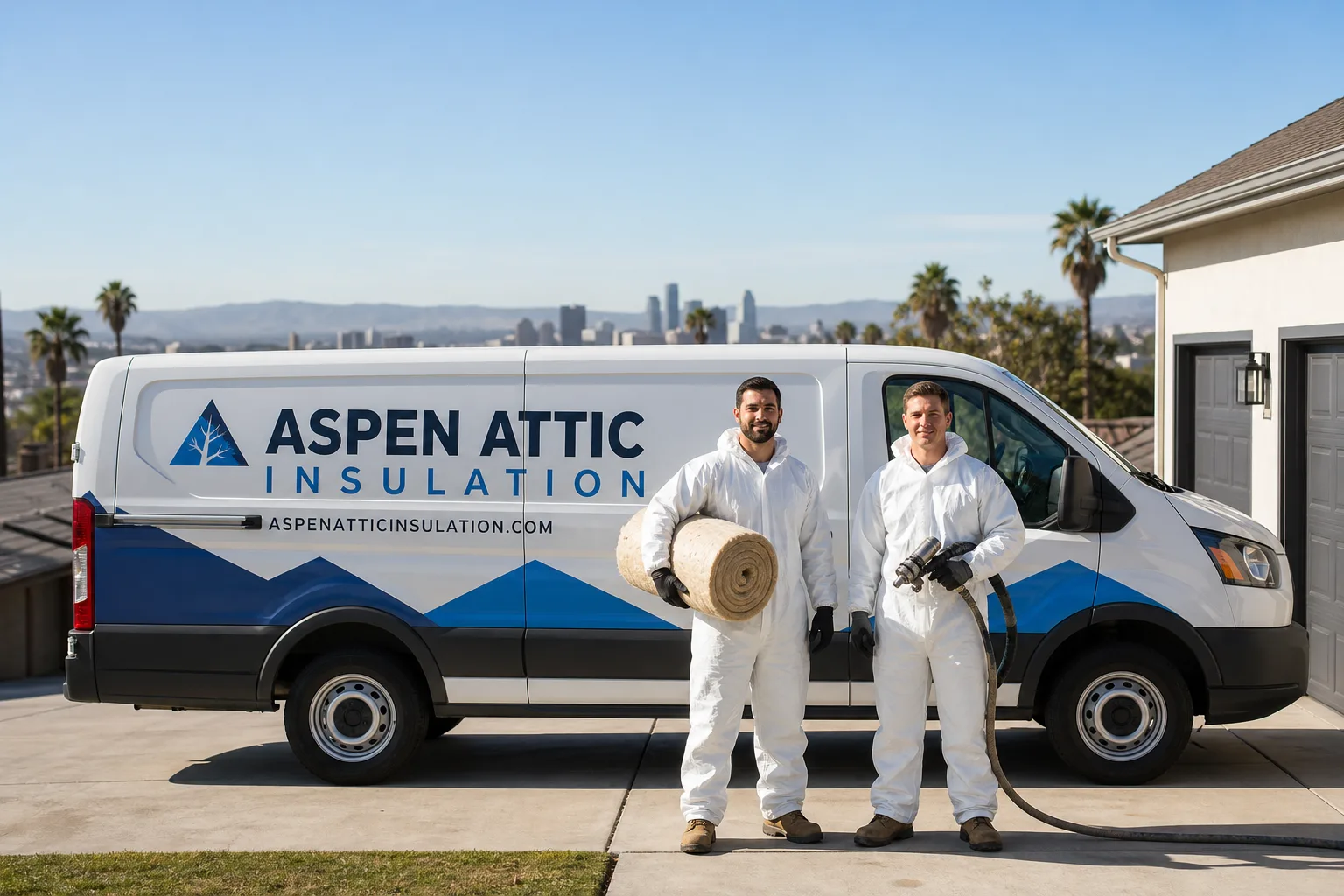
Fast, Reliable Attic Insulation Across Chino
Most attic insulation jobs in Chino run $1,800 – $4,500 depending on attic size and whether we’re topping up existing material or stripping and replacing contaminated insulation. Our crews are dispatched from the Inland Empire office and typically reach Chino homes same day or next day. Call (864) 428-1615 for a written estimate before any work starts.
We’ve worked in Chino long enough to know the difference between a Preserve tract home built in 2003 and a dairy-era ranch off Central Avenue. That matters because the insulation problems, the access constraints, and the air sealing priorities are completely different. Our Attic Insulation team doesn’t guess. We inspect, photograph, and give you a fixed price in writing.
Why Aspen Attic Insulation Is Chino’s Preferred Attic Insulation Company
Chino homeowners choose us because we remove two worries at once: who’s walking through your door, and what you’ll actually pay. Every technician is background-checked, identity-verified, and sent to you by name and photo before the visit. They arrive in a clean marked uniform and show a photo ID badge at the door. If anyone else shows up, the visit is free and we make it right.
Our 365-Day Done Right Promise covers every job in writing. If the repair fails, we come back free. No call-back windows, no voicemail loops. A live person answers our phone 24/7.
We’re familiar with Chino’s specific building patterns: the master-planned tracts with their settled builder-grade blown-in, the dairy-era pockets with low-pitch attics and decades of particulate buildup, and the Santa Ana wind patterns that turn attics into convection ovens every spring and fall. That local knowledge means we don’t waste time diagnosing what we already understand.
Dispatch and scheduling for Chino are coordinated from our Inland Empire office, with crews serving the city locally.
Attic Cleaning Services in Chino
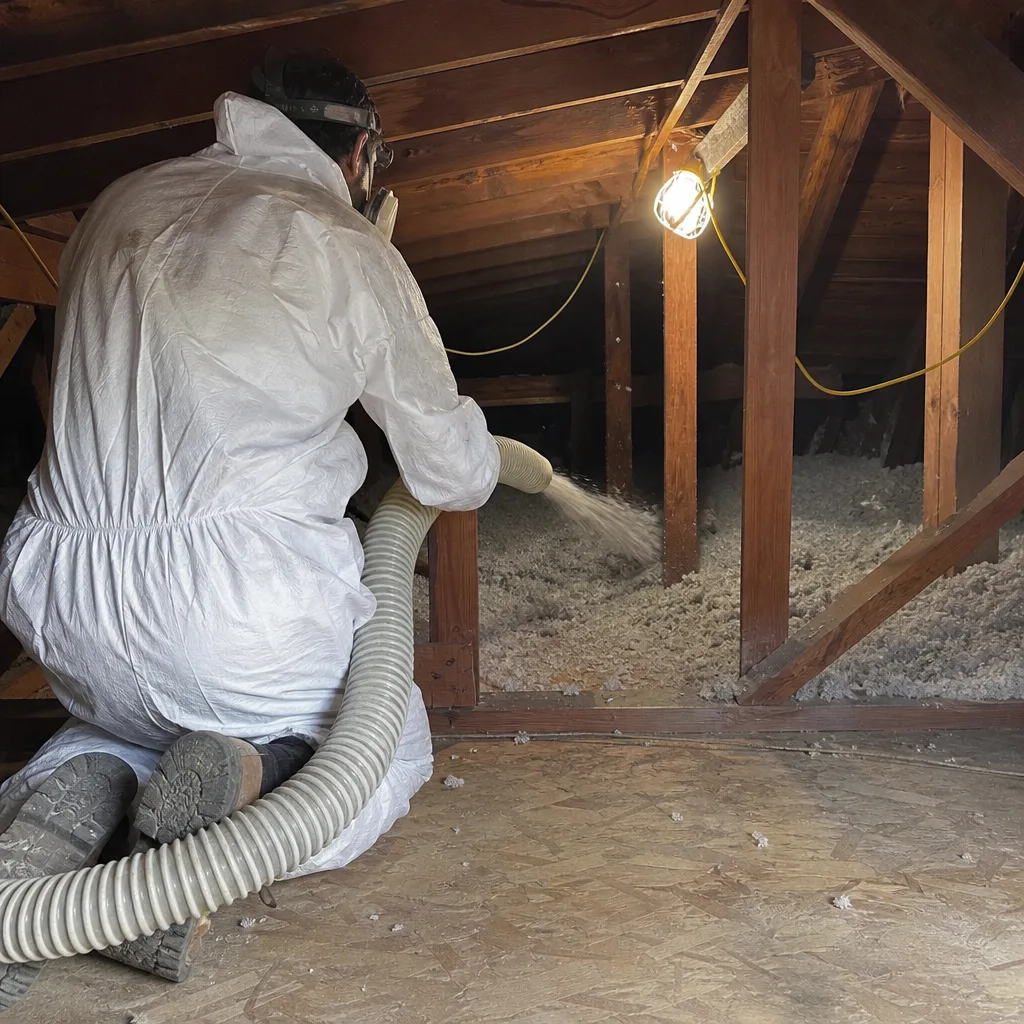
Attic Cleaning Services in Chino are often the necessary first step before any new blown-in insulation can perform. In the older dairy-area neighborhoods near Central Avenue, our crews regularly pull back blown-in fiberglass that’s been collecting particulate for twenty or thirty years. It doesn’t just smell. It compresses, loses R-value, and creates a substrate that new insulation can’t grip. Cleaning means removal, HEPA vacuuming of the deck, and sanitizing before we seal and reinsulate.
When Removal Beats Top-Up
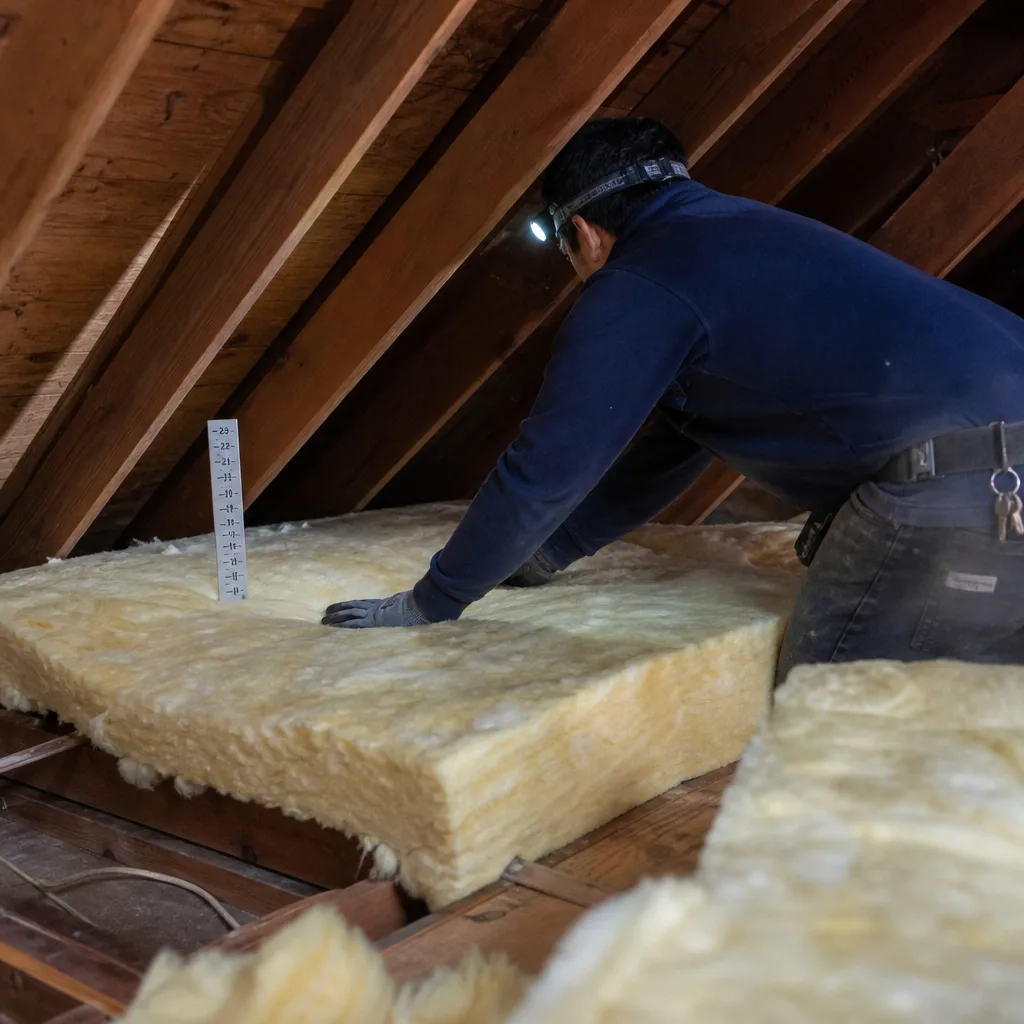
If your attic insulation is contaminated, compressed below four inches, or harboring odors from prior water damage or dairy-era dust, topping up wastes money. We remove it entirely, inspect the deck for leaks or pest entry, then start fresh with air sealing and new material.
What the Process Looks Like
We lay protective sheeting, bag the old material, and run commercial HEPA vacuums across the entire deck. Most Chino attic cleanings take one day. You’ll get photos at each stage, and the written price before we start.
What happens when you call
- 1
A real person answersNo phone trees - you reach a local pro.
- 2
You get an upfront price rangeHonest numbers before anyone is dispatched.
- 3
A background-checked tech heads outLicensed & insured, dispatched right away.
- 4
You approve before work beginsNothing starts until you say go.
Attic Mold Removal in Chino
Attic Mold Removal in Chino follows a pattern we see repeatedly: a roof leak or bathroom vent discharge into the attic creates moisture, the Santa Ana heat spikes bake it, and mold establishes in the sheathing or on settled insulation. By the time homeowners smell it or spot staining, the colony has usually spread across several bays. We treat the sheathing with EPA-registered antimicrobial, remove contaminated insulation, and fix the moisture source before reinsulating.
Identifying the Moisture Source
Mold returns if the leak persists. We trace bathroom fan discharges, check for compromised flashing, and verify soffit venting isn’t blocked by insulation. In Chino’s dry climate, mold usually means an active leak, not ambient humidity.
Treatment and Prevention
After antimicrobial treatment and drying, we install baffles to maintain airflow and specify insulation that won’t create new cold surfaces. Our 365-Day Done Right Promise covers the remediation work; if mold returns from the same source, we address it free.
Trusted Brands We Service in Chino
We stock Owens Corning, Johns Manville, and GreenFiber materials for Chino jobs, matched to the specific attic condition rather than forced into a single product line. Owens Corning fiberglass works well for standard vented attics in Preserve and Woodglen tracts. GreenFiber cellulose handles dense-pack applications and adds mass for sound damping in low-pitch dairy-era attics. Johns Manville provides batt solutions where access is too tight for blown-in equipment. Because we carry multiple brands, we don’t delay your job waiting on a special order.
Common Attic Insulation Problems We See in Chino Homes
- Settled builder-grade blown-in fiberglass in Preserve and Woodglen tracts. Original installs from the 1980s-2000s were documented under pre-2005 Title 24 baselines. The material has settled to four inches or less, and R-values have dropped below what 100°F attic temperatures demand. We measure what’s there and calculate the gap to current code performance.
- Contaminated low-pitch attics in dairy-era neighborhoods near Central Avenue. Decades of dairy particulate have worked into the insulation layer. New material laid over this debris won’t hold R-value and traps odors. Removal and full air sealing come first.
- Unsealed ceiling bypasses dumping 130°F attic air into living space. Recessed can housings, top plate gaps, and attic access hatches act like open windows during Santa Ana heat spikes. Even fresh insulation underperforms until these are sealed.
- Garage ceilings radiating heat into bedrooms above. In Chino’s unshaded west-facing homes, garage attic space commonly runs 8 – 10°F hotter than the rest of the house. Insulating and air sealing the garage ceiling plane drops the temperature in the room overhead.
Pricing for Attic Insulation in Chino, CA
| Service | Typical Range in Chino |
|---|---|
| Attic Insulation Top-Up (standard vented attic, up to 1,000 sq ft) | $1,800 – $2,800 |
| Attic Insulation Replacement (remove old, air seal, reinsulate) | $3,200 – $4,500 |
| Attic Cleaning Services (removal, HEPA vacuum, sanitize) | $1,200 – $2,400 |
| Attic Mold Removal (treatment, contaminated insulation removal, prevention) | $2,500 – $4,800 |
| Attic Baffles & Ventilation Prep (install baffles, clear soffits, verify airflow) | $400 – $900 |
What moves you within these ranges: attic square footage, current insulation depth and condition, accessibility, and whether air sealing or mold remediation is needed first. We measure everything on site and give you a single written price before any work begins. Estimates are free. Call (864) 428-1615 to schedule.
We Also Serve Cities Near Chino
Our crews work throughout the Inland Empire, including Norco, Chino Hills, Corona, and Ontario. If you’re just outside Chino city limits, we can usually route you with the same response time. Attic Insulation in Chino remains our focus, but neighboring homeowners get the same technician protocols and written guarantees.
Serving Chino, CA - Our Local Coverage Area
We’re based in the Chino area and know this community well. Use the map below to see our service coverage - if you’re nearby, we can almost certainly help.
FAQs About Attic Insulation in Chino
It usually hasn’t failed; it was never adequate for Chino’s heat load. Pre-2005 Title 24 baselines allowed lower R-values than today’s 95 – 105°F attic temperatures require. Builder-grade blown-in fiberglass settles 20 – 30% over fifteen to twenty years, and unsealed ceiling bypasses let superheated attic air pour past it. We assess what’s actually there versus what your roof assembly faces in July. Call (864) 428-1615 for a free inspection and written fix.
Yes, nearly always. Those tracts were built with recessed can lights, unsealed top plates, and attic access hatches that leak like open windows during Santa Ana events. Blowing new insulation over these bypasses is like putting a blanket over a drafty window. We seal first, then insulate. The comfort difference is immediate, especially in second-story west bedrooms.
The low-pitch attics there hold decades of dairy particulate in the insulation layer. New material laid over contaminated blown-in won’t achieve rated R-value and traps odors. We remove the old material, HEPA vacuum the deck, sanitize, and only then air seal and reinsulate. It’s more work upfront, but it’s the only way the new insulation performs as specified.
Yes, and it’s one of the most effective upgrades we do. In the Preserve, we sealed and insulated a garage ceiling that was radiating heat into the primary bedroom above. The room dropped 8 – 10°F at peak afternoon. The garage itself doesn’t need to be conditioned; we just stop it from acting as a solar oven against your bedroom floor.
No. While Chino’s heating demand is minimal, insulation works both directions. In summer it blocks radiant heat gain from 130°F roof sheathing. In winter it slows the small amount of heat loss that does occur. The same R-value that cuts your cooling load in July also holds warmth in December. We size for the dominant load, which is summer, but the upgrade serves year-round.
Written by Garrett Sloane, Owner at Aspen Attic Insulation, serving Chino and the Inland Empire since 2002.