
5 Mistakes to Avoid With Spray Foam Insulation
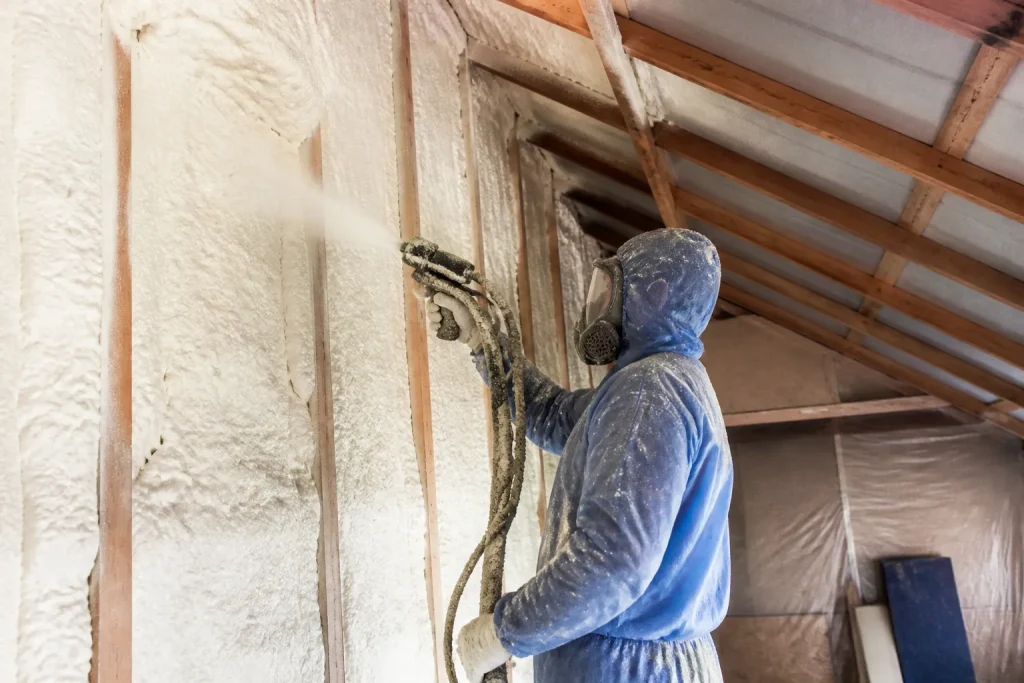
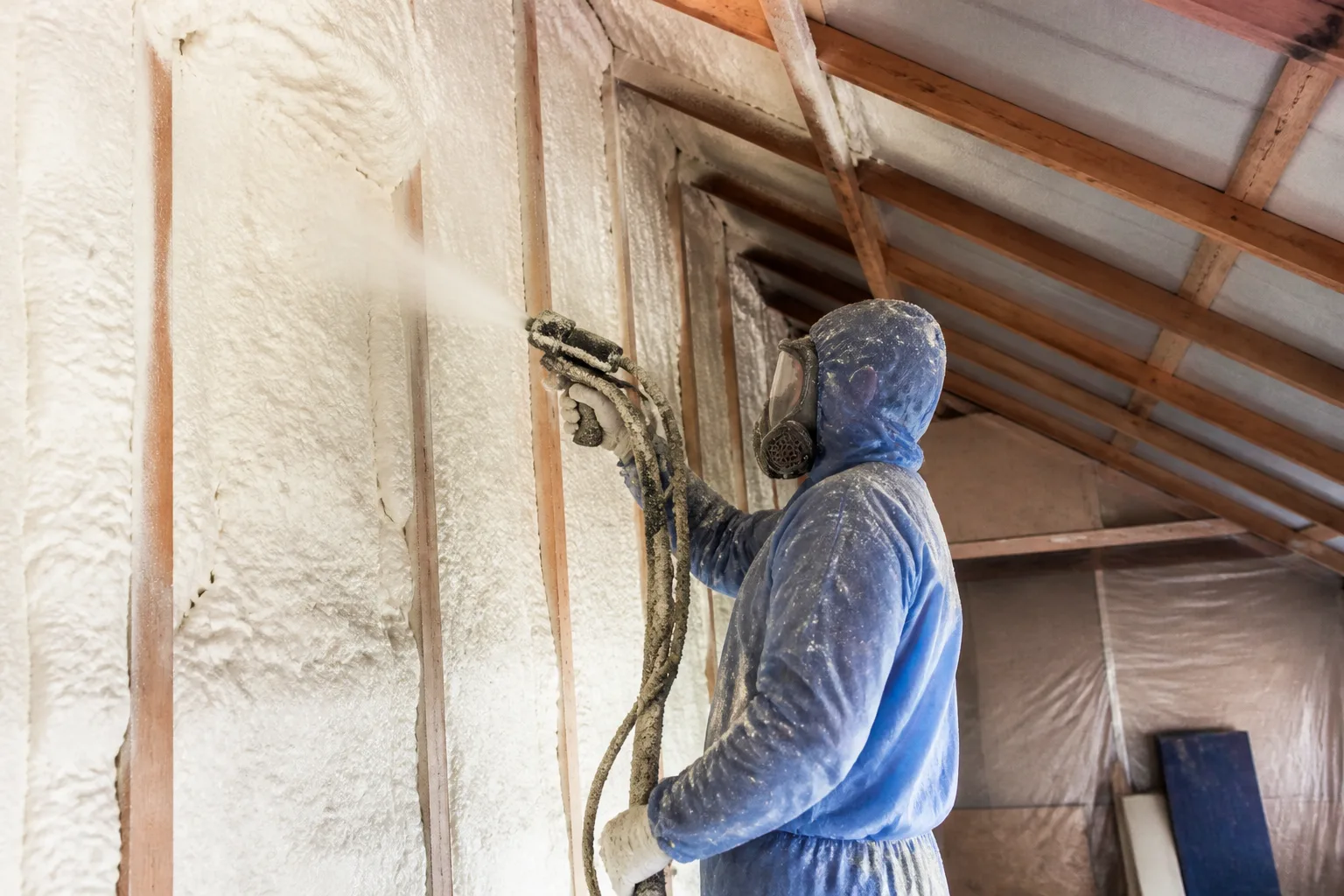
The five costliest spray foam mistakes happen before the crew ever pulls a hose: hiring on price alone, not verifying mixing-ratio calibration, putting open-cell foam in a vented attic without a vapor plan, skipping a written re-occupancy window, and never checking the cured foam with a thermal camera. If you avoid those five, spray foam is close to a set-it-and-forget-it product. If you don’t, you can end up with crumbling foam, a house that smells like a chemistry lab for six months, or an attic that holds moisture against your roof deck until the sheathing rots. We’ve been installing spray foam across Los Angeles, and almost every call-back we’ve ever investigated traces to one of these five decisions. If you’d rather skip the homework and just get it done right, call us at (864) 428-1615 for a free estimate.
Spray foam has the highest R-value per inch of any common insulation, and the highest rate of installation callbacks when installers rush under production pressure. That’s not a knock on the product. It’s a warning about how it gets installed. Off-ratio foam looks perfect on day one. Six months later it’s shrinking, crumbling, or off-gassing because the A and B chemicals never fully reacted. The homeowner doesn’t find out until the smell won’t leave or the energy bill ticks back up. Here are the five mistakes we tell every Los Angeles homeowner about before they sign anything.
Mistake 1: Hiring the Cheapest Spray Foam Bid
Spray foam is the one insulation type where a low bid should make you nervous rather than relieved. Here’s why. Fiberglass batts and blown-in insulation are forgiving products. If a crew installs them slightly imperfectly, you lose a little R-value and life goes on. Spray foam is a two-part chemical reaction. The material cost alone runs $1.20 to $2.50 per board foot in the Los Angeles market, and that’s before labor, equipment, and insurance. When a bid comes in dramatically under everyone else, the contractor isn’t cutting profit. They’re cutting material, which means either buying a cheaper foam brand, stretching the coverage thinner than the R-value they quoted, or rushing the job to fit more stops in a day. We’ve seen attics where a contractor sprayed at half the quoted depth, and the homeowner had no way to know until we pulled a thermal camera through the space.
Material cost pressure shows up in sneaky ways too. Open-cell foam costs less than closed-cell, so a low bid might quietly substitute open-cell where the attic design calls for closed-cell. That substitution changes the vapor profile of the whole assembly. In Los Angeles zip codes near the coast like Playa del Rey or San Pedro, where marine-layer humidity sits against the house for months, that single swap can create condensation inside the roof cavity. You’ll never see the line item. You’ll see the water stain three years later. When we quote a spray foam job, the price is written before any work starts and we put the specific foam type, brand, and target R-value on the sheet. If Icynene or Demilec is what the attic needs, that’s what goes in, and it’s named on the proposal. You should expect the same from anyone you’re considering.
Mistake 2: Not Asking About Mixing-Ratio Calibration
Ask a spray foam contractor one question before you hire them: “When was your rig last calibrated, and can you show me the printout?” If they look confused, keep shopping. Spray foam is a chemical reaction between two components, typically an isocyanate and a polyol resin. They have to meet at the spray gun at a precise ratio, usually close to one-to-one, depending on the manufacturer. If the equipment drifts off ratio because a pump is worn or a heater isn’t holding temperature, the foam doesn’t fully cure. It looks fine on the surface. Underneath, pockets of unreacted chemical remain. That means two things: the foam never reaches its rated R-value, and it can off-gas for months. That smell homeowners complain about after a spray foam job is almost never the cured foam itself. It’s off-ratio foam that never finished its chemical reaction.
Reputable installers calibrate their rigs daily, before the first job, using test shots and ratio checks specified by the foam manufacturer. We run ours every morning before a truck leaves the yard. It’s a twenty-minute process and it’s non-negotiable. The printout from that calibration belongs in your job file. Ask for it. In our experience, the difference between a thirty-year foam job and a three-year foam job is almost never the foam brand. It’s the technician’s discipline with the equipment. You can have the best material from Owens Corning or Demilec in the tank, and it won’t matter if the pump is pushing it out at the wrong ratio. Before you sign a contract, ask the specific question: how do you verify ratio on-site, and will you give me that record when the job’s done? A professional answer includes a process. A vague answer is a red flag.
Mistake 3: Open-Cell Foam in a Vented Attic Without a Vapor Plan
Open-cell spray foam is a great product in the right assembly. It’s soft, it air-seals well, and it costs less than closed-cell. It’s also vapor-permeable, which means moisture moves through it. In a vented attic, that permeability becomes a design variable, not a minor detail. Los Angeles has a real moisture boundary that runs roughly along the 405. West of it, in neighborhoods like Mar Vista, Culver City, and Westchester, the marine layer pushes humid air against houses every night for much of the year. If you spray open-cell foam against the underside of the roof deck in a vented attic in one of those zip codes, warm moist air from the living space rises through the ceiling, passes through the foam, and condenses on the cold roof sheathing. The foam holds that moisture against the wood. You won’t see it until the sheathing starts to darken or the roof nails rust. That’s a slow, expensive problem.
The fix isn’t “never use open-cell.” It’s “know what the moisture drive is, and design for it.” In some houses, open-cell is perfectly fine because the roof assembly includes a vapor retarder or the attic is being converted to unvented. In others, closed-cell foam is the right call because it acts as its own vapor barrier at a sufficient thickness. The point is, this isn’t a decision a salesperson should make by default. It’s a decision that should start with the question: how does moisture move through this specific house, in this specific Los Angeles microclimate? If a contractor quotes open-cell without looking at the attic ventilation or asking about your zip code, that’s a mistake waiting to be installed. We match the foam type to the house, not the other way around, and it’s why we keep both open-cell and closed-cell options from multiple manufacturers on hand. Need someone who’ll actually look at your attic before quoting? Call (864) 428-1615 for a free inspection and written estimate.
Mistake 4: No Written Re-Occupancy Window
Spray foam is safe when it’s installed correctly and the home is re-occupied at the right time. The two parts of the foam react during application, and the reaction generates heat and releases a small amount of off-gassing as the foam cures. Most manufacturers specify a re-occupancy window, typically 24 hours for two-component foam installed at standard depth, though thicker lifts can extend it. You should get that window in writing, before the job starts, from the contractor who is taking responsibility for it. Not a verbal promise. A line item on the proposal. Here’s what that line item should say: how long the house should remain unoccupied after application, what ventilation should run during that window, and who is responsible if the foam fails an air quality check afterward.
We include a written re-occupancy window on every spray foam proposal we write, and it’s specific to the product and the depth we’re installing. For most Los Angeles residential attics, we tell homeowners to plan for 24 hours away, with the house ventilated, then a walk-through to confirm the foam is firm and odor-free before they settle back in. If anyone in the house is sensitive to chemicals, that window may extend. Tell your contractor about respiratory sensitivities before the job. A professional will adjust the schedule and the ventilation plan. One who shrugs it off is telling you something important about how they’ll handle the rest of the job. The point is simple: spray foam is a chemical installation, and a responsible contractor treats the re-occupancy conversation as part of the quote, not an afterthought.
Mistake 5: Skipping the Thermal Imaging Check After Cure
Most spray foam contractors never mention this, and it’s the single best way to know if you got what you paid for. After the foam cures, a thermal imaging camera can read the temperature signature of the insulated surface. Voids, thin spots, and gaps show up as heat differences. A proper post-installation thermal scan takes twenty minutes and tells you exactly where the installer missed. Without it, you’re flying blind. You’ll notice the cold spots in August when the upstairs won’t cool, or in January when the hallway floor is freezing. By then the crew is long gone, the check cleared, and you’re arguing about whether the warranty covers a re-spray.
We run a thermal scan on every spray foam job before we pack up the truck. If we find a void, we fix it that day, not next week. That scan is part of why we back every job with our Done Right Promise in writing. If something isn’t right, we make it right, and if a repair fails within a year, the second visit is free. Ask any contractor you’re considering: “Do you thermal-scan the foam after it cures, and will you show me the images?” If the answer is no, ask how they verify coverage. If they can’t answer that either, you’ve just learned something about their quality control. In Los Angeles attics, where roof lines cut into the space and installers work around trusses and plumbing stacks, voids happen even to careful crews. The question isn’t whether the foam is perfect the first time. It’s whether anyone checks before the job is called done.
The Bottom Line
Spray foam is a high-performance product that punishes shortcuts harder than any other insulation type. The good news is all five of these mistakes are preventable. Get your formula type and R-value in writing. Ask about calibration records. Make someone think through the moisture profile of your specific Los Angeles neighborhood. Get a written re-occupancy window. And insist on a thermal scan after cure. Do those five things and spray foam will do exactly what it’s supposed to do: seal your attic, cut your energy bill, and stay put for decades. Skip them and you’re gambling with money that doesn’t come back.
If you’re in Los Angeles and want spray foam done without the guesswork, Aspen Attic Insulation home has been serving the area, and we do it the way we’d want it done in our own houses. We send you the technician’s name and photo before the visit, give you a written price before any work starts, and stand behind every job with a Done Right Promise in writing. Our team specializes in Spray Foam Insulation in Los Angeles, along with Attic Insulation in Los Angeles and Blown In Insulation in Los Angeles. Call (864) 428-1615 and a live person answers, day or night. We’ll send someone who knows what they’re doing, and we’ll put the price in writing before they touch your attic.
Frequently Asked Questions
Look for a persistent chemical or fishy odor that doesn’t fade after the re-occupancy window, foam that’s shrinking away from the framing, or a surface that’s crumbly when pressed. Off-ratio foam often looks normal for the first few weeks, then starts to fail as the unreacted chemicals off-gas and the foam loses adhesion. The way to catch it early is to ask for the installer’s calibration record before the job starts and to have a thermal scan done after cure. If your contractor can’t produce either, that’s a meaningful signal. In Los Angeles, we see this most often with rushed jobs in older attics where the crew is trying to beat traffic to the next stop.
It depends on the moisture profile of your specific house and where in Los Angeles you live. West of the 405, where marine-layer humidity is a daily factor, closed-cell foam is often the safer choice for roof deck applications because it acts as a vapor barrier at sufficient thickness. Inland, where the air is drier, open-cell can work well and costs less. The right answer comes from looking at the attic ventilation, the roof assembly, and the microclimate before choosing a product. A good contractor will walk the attic and explain the recommendation. If someone quotes a foam type without seeing the space, that’s a mistake in progress.
Most manufacturers specify a 24-hour re-occupancy window for standard residential applications, though thicker lifts or sensitive occupants can extend it. Get the exact window in writing before the job starts, not after the foam is in. The written window should cover how long to stay out, what ventilation to run, and who to call if the odor lingers. If anyone in the house has asthma or chemical sensitivities, tell the contractor before the job so they can adjust the schedule and ventilation plan. A real professional treats this as part of the quote, not a footnote.
Residential spray foam in Los Angeles typically runs $1.20 to $2.50 per board foot for material, with most attic installations landing between $3,000 and $8,000 depending on square footage, foam type, and depth. Open-cell runs at the lower end, closed-cell at the higher end. That’s a wide range because no two attics are the same, but you should get a written, line-itemed price before any work begins. Anyone who whispers a number without measuring the attic isn’t giving you a real quote. Call (864) 428-1615 for a free estimate and we’ll put the exact price in writing before you commit to anything.
Written by the team at Aspen Attic Insulation.
Need Insulation Help?
Call Aspen Attic Insulation - licensed & insured, here with fast after-hours help in Los Angeles.
(864) 428-1615