
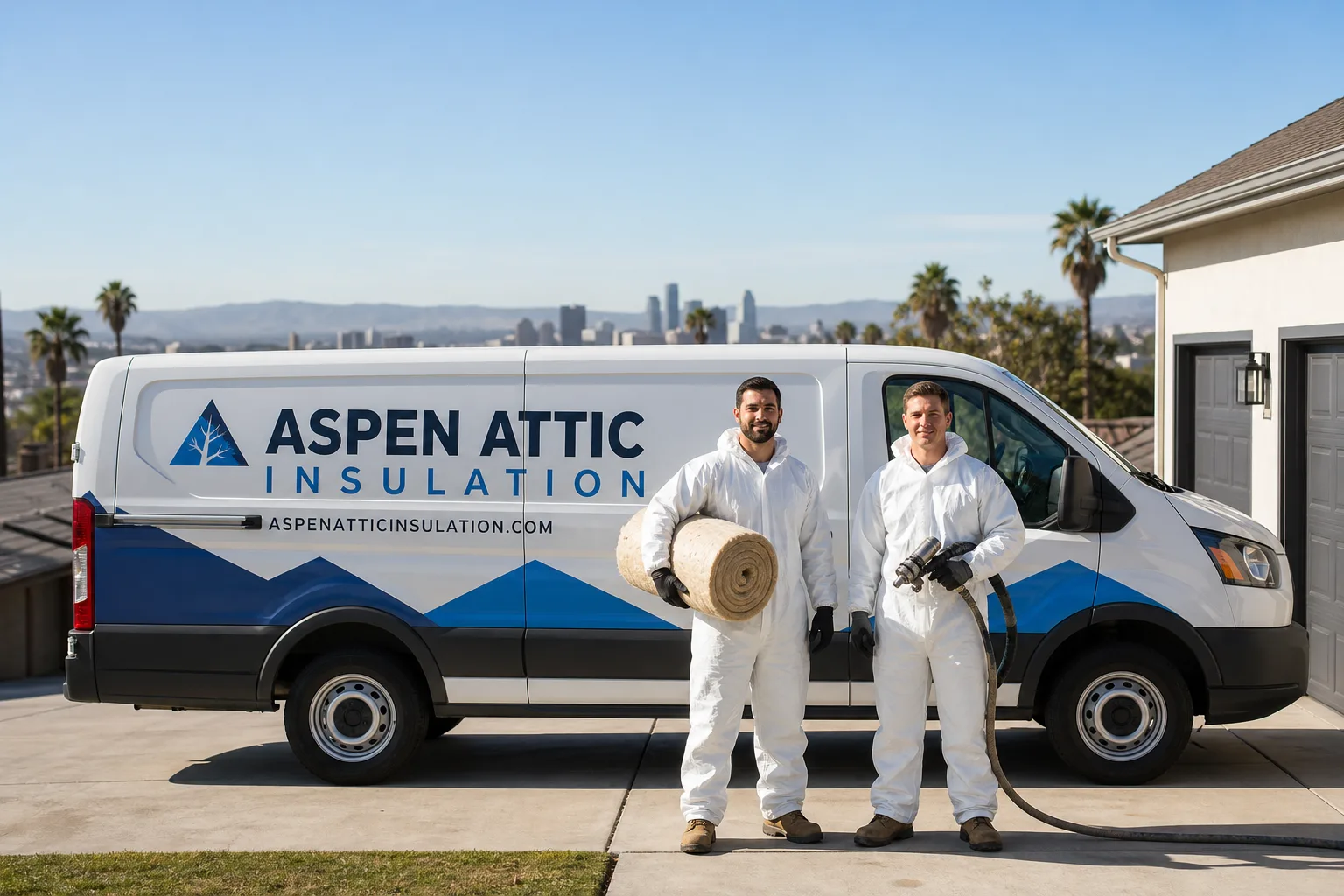
Fast, Reliable Spray Foam Insulation Across Santa Rosa
Spray foam insulation in Santa Rosa typically costs $1.80 – $3.50 per board foot for open-cell and $3.00 – $6.50 for closed-cell, with most attic and wall projects running $2,800 – $7,500 depending on cavity depth and square footage. Our crews serve Santa Rosa from our San Francisco Bay Area dispatch office, and we can usually inspect your home and deliver a written price within 24 – 48 hours. Call (864) 428-1615 to speak with a live person now, or read on to understand how Santa Rosa’s unique housing stock affects what you’ll need.
We’ve worked in Santa Rosa long enough to know the city isn’t uniform. Drive through Coffey Park or Fountaingrove and you’ll pass a 2020 rebuild with a tight, spray-foamed envelope, then turn a corner and find a 1962 ranch with original fiberglass batts compressed flat and rodent-chewed. That two-tier reality, born from the 2017 Tubbs Fire and its aftermath, defines every insulation decision here. Our Spray Foam Insulation team doesn’t apply the same product to every house. We match the material and the assembly to what your specific walls and attic can accept, and we put that match in writing before any work starts.
Why Aspen Attic Insulation Is Santa Rosa’s Preferred Spray Foam Insulation Company
Garrett Sloane built this operation on a simple standard: you should know who’s walking through your door and exactly what you’ll pay before they arrive. Every Santa Rosa customer receives their technician’s name, photo, and ID verification before the visit. If anyone else shows up, the visit is free and we make it right. That’s The Threshold Standard, and it applies to every job we run in Sonoma County.
Our 365-Day Done Right Promise covers labor and materials in writing. If a repair fails, we come back free. No voicemail loops, either. A live person answers our line 24/7, including weekends when Santa Rosa’s Diablo winds kick up and homeowners start feeling drafts they ignored all summer.
We stock materials from eight leading brands, including Owens Corning, Johns Manville, and Knauf, so we’re not forcing whatever’s in the truck onto your job. The right product for a post-2017 rebuild with existing open-cell foam is often different from what a 1950s Bennett Valley ranch needs. We bring the full range so the recommendation is honest, not convenient.
Spray Foam Attic Insulation in Santa Rosa
Spray Foam Attic Insulation in Santa Rosa addresses two distinct problems depending on which era of housing stock you own: legacy ranch homes with vented attics and minimal existing insulation, or post-Tubbs Fire rebuilds where the attic is already part of a conditioned envelope but may have gaps at penetrations. In older homes near Montgomery Drive or along Summerfield Road, we often find 3 – 4 inches of compressed fiberglass with an effective R-value below R-10, which means your HVAC is fighting 110-degree attic heat gain four months a year and losing warmth every winter night the fog rolls in.
A typical open-cell attic application in Santa Rosa runs $2,800 – $5,200 for a 1,200 – 1,800 square foot footprint, while closed-cell on the roof deck (less common in residential retrofits) ranges $4,500 – $7,500. We always air-seal first. Skipping that step in Santa Rosa’s climate, where winter moisture can linger in vented assemblies, traps humidity against the deck and breeds mold.
Roofline vs. Floor Application
We apply spray foam to either the roofline (creating a conditioned, unvented attic) or the attic floor (sealing the living space below while leaving the attic vented). Roofline work suits Santa Rosa homeowners converting attic space to storage or living area, and it eliminates the vent paths that can pull embers during wildfire season. Floor applications cost less but require intact, functional vents that we can detail with ember-resistant screening.
Ember-Zone Detailing for Santa Rosa Conditions
Every attic job in Santa Rosa’s wildland-urban interface zones gets specific attention to soffit, gable, and ridge vents. The Tubbs Fire taught hard lessons about ember intrusion through small openings. We seal with fire-rated caulk and install 1/8-inch metal mesh where code requires it, not as an afterthought.
Spray Foam Wall Insulation in Santa Rosa
Spray Foam Wall Insulation in Santa Rosa presents the sharpest contrast between old and new housing anywhere in the Bay Area. In Coffey Park, we might insulate a 2020 rebuild’s garage-to-conditioned-space conversion, matching existing open-cell foam with identical density and vapor permeability. Two blocks away, that same crew could be drilling 1950s lath-and-plaster walls in a surviving ranch on the same street, removing compressed batts contaminated by sixty years of rodent activity and off-gassing from aged knob-and-tube wiring before foam can go in safely.
Wall cavity work in Santa Rosa’s older stock typically runs $3,200 – $6,800 for a full single-story envelope, with two-story homes or complex rooflines toward the higher end. Post-2017 rebuilds needing spot repair or addition work usually fall in the $1,800 – $3,500 range. We don’t quote these without looking. Wall cavities hide too many surprises in Santa Rosa’s layered housing history.
Retrofit vs. New Construction Methods
Existing walls get treated through discrete drill-and-fill access points, usually from the exterior where siding allows or from interior walls if you’re already remodeling. New additions or rebuilds receive full open-cavity application with better adhesion and complete coverage. The method changes the cost structure significantly, and we’ll explain which applies to your specific Santa Rosa home before you sign anything.
Moisture Management in Older Cavities
1960s-era batts in Santa Rosa’s ranch homes often trapped decades of winter moisture against unsealed framing. We pull that material, inspect for rot or pest damage, and let cavities dry before sealing. Rushing this step, or foaming over wet wood, creates the shrinkage and adhesion failures we see too often in warranty calls on other companies’ work.
Trusted Brands We Service in Santa Rosa
We maintain stock from eight industry-leading manufacturers, including GreenFiber, Owens Corning, and Johns Manville, with Icynene and Demilec spray foam systems on hand for Santa Rosa’s mixed housing stock. That inventory matters when a Coffey Park rebuild needs open-cell density matched exactly, or when a Bennett Valley ranch requires closed-cell for a rim joist in a damp crawl space. We don’t order-and-wait. We spec, verify, and install from available material, which keeps most Santa Rosa jobs on schedule even when supply chains lag. Our technicians are trained across all eight brands, so the recommendation is based on your assembly’s needs, not our warehouse’s limitations.
Common Spray Foam Insulation Problems We See in Santa Rosa Homes
- Foam applied over existing 1960s batts without air sealing. In older Santa Rosa ranches near Summerfield Road, we’ve found moisture trapped between old fiberglass and new spray foam, rotting framing and reducing the effective R-value by 30% or more. The batts must come out, the cavity must dry, and the leaks must seal first.
- Gaps at penetrations in post-2017 rebuilds. Coffey Park and Fountaingrove homes rebuilt after the Tubbs Fire often have excellent baseline insulation, but plumbing stacks, electrical chases, and recessed can lights get missed during rushed final inspections. Those gaps become ember highways during Diablo wind events.
- Shrinkage in pre-1970s wall cavities. Aged, unsealed wood off-gasses over decades, and residual heat from old knob-and-tube wiring creates a poor bonding surface. We’ve re-foamed walls in Santa Rosa where the original application pulled away from studs within three years because the substrate wasn’t properly prepped.
- Wrong foam density for the assembly. Closed-cell on a roofline that needs to breathe, or open-cell in a below-grade rim joist that needs vapor blocking. Santa Rosa’s climate demands specific permeability ratings, and matching them wrong costs performance and can void manufacturer warranties.
Pricing for Spray Foam Insulation in Santa Rosa, CA
Here’s what spray foam insulation costs in Santa Rosa’s current market:
| Application | Material | Typical Range |
|---|---|---|
| Open-cell attic (roofline or floor) | Owens Corning, Icynene | $2,800 – $5,200 |
| Closed-cell attic (roofline) | Demilec, Johns Manville | $4,500 – $7,500 |
| Open-cell wall cavities (existing home) | Icynene, Knauf | $3,200 – $6,800 |
| Spot repair/addition (post-2017 rebuild) | Matches existing | $1,800 – $3,500 |
| Rim joist / crawl space | Closed-cell | $1,200 – $2,800 |
| Garage ceiling conversion | Open or closed-cell | $2,200 – $4,500 |
Your final price depends on cavity depth, accessibility, existing material removal needs, and whether we find damage that must be addressed first. We inspect, measure, and deliver a written price before any work begins. No post-job additions, no “we found something” surprises. Estimates are free. Call (864) 428-1615 to schedule yours.
We Also Serve Cities Near Santa Rosa
Our crews work throughout Sonoma County, including Santa Rosa and the surrounding communities of Sebastopol, Windsor, Rohnert Park, and Cotati. The same technician protocols, written pricing, and 365-Day Done Right Promise apply whether we’re insulating a farmhouse west of Sebastopol or a townhouse in Rohnert Park.
Serving Santa Rosa, CA - Our Local Coverage Area
We’re based in the Santa Rosa area and know this community well. Use the map below to see our service coverage - if you’re nearby, we can almost certainly help.
FAQs About Spray Foam Insulation in Santa Rosa
Most rebuilds were constructed to Title 24 standards with open-cell spray foam in walls and attics, but final inspections often missed gaps at penetrations. We find incomplete sealing around plumbing stacks and electrical chases in roughly 30% of the rebuilds we inspect. Call (864) 428-1615 for a thermal imaging assessment – estimates are free.
No, and any contractor who says otherwise is creating a moisture trap. Santa Rosa’s older batts are compressed, often contaminated, and always air-leaky. We remove them, inspect and dry the cavity, seal leaks, then foam. The extra step adds $400 – $900 to most jobs but prevents the rot and adhesion failures we’ve documented in skipped-prep jobs across Bennett Valley and Montgomery neighborhoods.
Closed-cell spray foam, combined with proper air sealing and ember-resistant vent screens, eliminates the gaps and vent paths that pull glowing embers into attic and wall cavities. In Coffey Park and Fountaingrove, where the Tubbs Fire demonstrated how embers travel miles ahead of flame fronts, this detailing is often as important as the insulation’s R-value. We address both on every wildland-urban interface job.
Open-cell is softer, vapor-permeable, and better for attic rooflines and above-grade walls where the assembly needs to breathe. Closed-cell is denser, rigid, and vapor-blocking, making it the right choice for rim joists, crawl spaces, and any below-grade application. Santa Rosa’s Mediterranean climate with wet winters means we rarely use closed-cell on rooflines or open-cell in crawl spaces. The wrong choice traps moisture or blocks necessary drying.
Failure comes from three causes we see repeatedly: foaming over wet or contaminated substrates, using the wrong density for the assembly, and skipping air sealing. In Santa Rosa specifically, aged wood off-gassing and residual knob-and-tube heat create bonding problems in pre-1970s homes that newer contractors don’t recognize. We test moisture content, remove compromised material, and match foam to assembly type. Our 365-Day Done Right Promise covers labor and materials, with a free second visit if anything fails.
Written by Garrett Sloane, Owner at Aspen Attic Insulation, serving Santa Rosa and Sonoma County since 2002.