
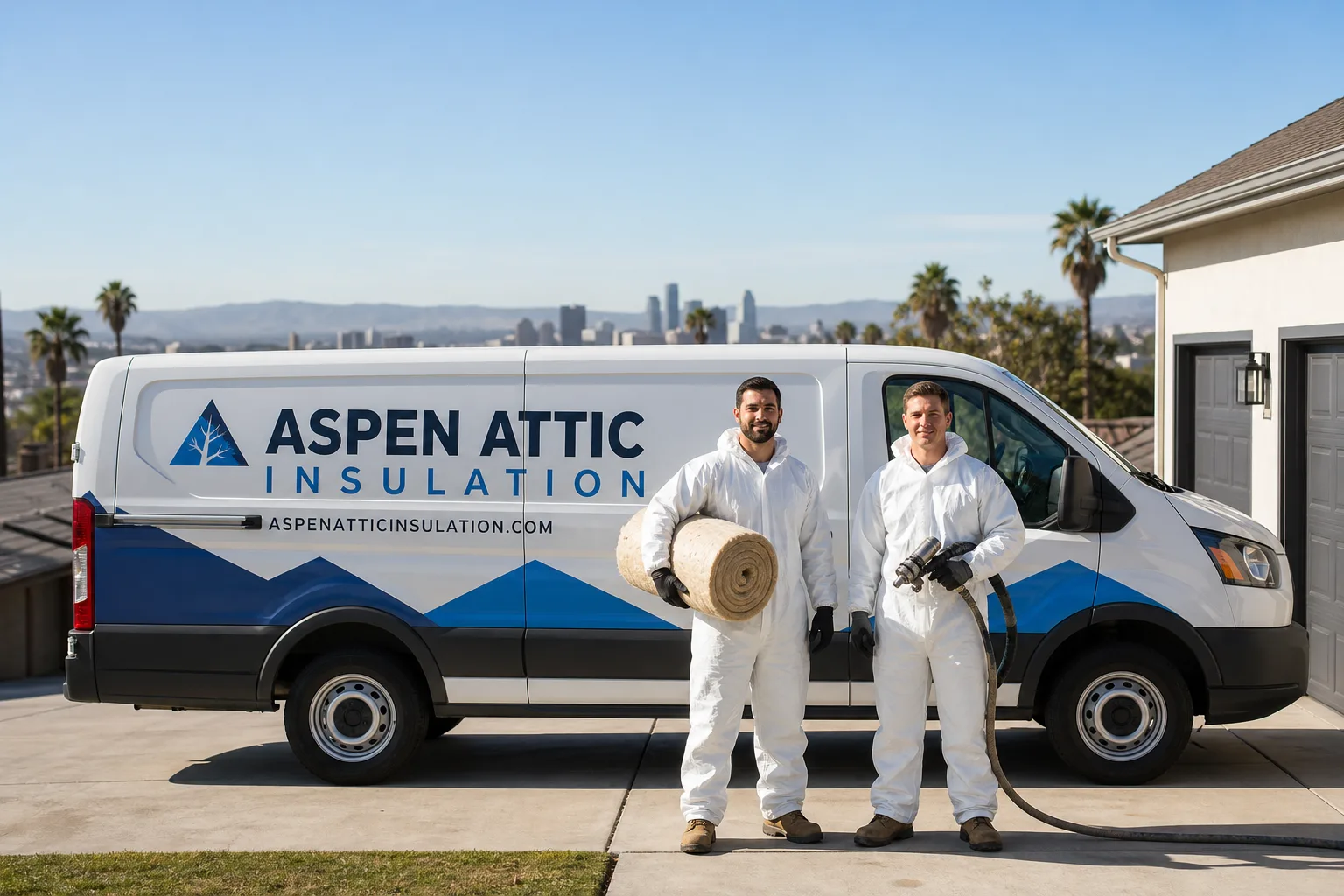
Fast, Reliable Blown In Insulation Across Rodeo
Blown-in insulation in Rodeo, CA typically runs $1.80 to $3.20 per square foot installed, with most attic retrofits for mid-century homes falling between $2,400 and $4,800 depending on cavity depth and whether air-sealing is needed first. We’re usually on site in Rodeo within 24 to 48 hours of your call, and same-day estimates are common for homes off I-80 near the waterfront. Call (864) 428-1615 to schedule – a live person answers, even at midnight.
We’ve worked in Rodeo long enough to know that insulation here isn’t a copy-paste job from inland Contra Costa. The Carquinez Strait doesn’t just shape the view; it shapes what happens inside your walls. Salt-laden wind pushes through every gap, fastener, and degraded vapor barrier in the post-WWII tracts and refinery-era housing that make up so much of Rodeo’s stock. Our crews don’t just blow material and leave. We treat every Rodeo job as a moisture-management problem first, because that’s what keeps the insulation working five years out.
Dispatch and scheduling run through our San Francisco Bay Area office, but the crews serving Rodeo live and work locally. They know the difference between a California Street waterfront build and a hillside tract off Parker Avenue, and they carry the right products for each.
Why Aspen Attic Insulation Is Rodeo’s Preferred Blown In Insulation Company
Homeowners in Rodeo choose us for the same reason homeowners everywhere in the Threshold Group do: they get a name, a face, and a written price before anyone knocks. Garrett Sloane built this standard into Aspen Attic Insulation from the start. Every technician is background-checked, identity-verified, and sent to you by name and photo before the visit. If someone else shows up, the visit is free and we make it right.
Our 365-Day Done Right Promise covers every job in writing – labor and materials, no exclusions. If a repair fails, we come back free. That promise matters in Rodeo, where the strait’s salt air can expose a shortcut in months rather than years.
Calls to (864) 428-1615 are answered by a live person, 24 hours a day. No voicemail loops. No “we’ll call you back between 2 and 6.” When you’re staring at a damp attic or a heating bill that won’t quit, that matters.
We know the local housing. The refinery-era tracts near the waterfront. The post-WWII builds with original knob-and-tube still in the walls. The hillside homes where wind scours the eaves. This isn’t theoretical knowledge. It’s from walking through actual Rodeo attics and finding the same patterns: clumped cellulose, rusted strapping, vapor barriers turned to dust.
Blown In Insulation Contractors in Rodeo
Blown In Insulation Contractors serving Rodeo need to do more than operate a hopper and hose. The job starts with understanding how the Carquinez Strait’s near-constant wind and salt spray attack the building envelope, then choosing materials and assemblies that survive it. A typical blown-in attic retrofit in Rodeo runs $2,400 – $4,800 for a 1,200-square-foot footprint, with wall cavity work adding $1,800 – $3,200 depending on accessibility and whether the old material needs extraction first. Every estimate is written and delivered before work starts.
What the Work Actually Involves
We inspect the attic or wall cavity for moisture damage, degraded vapor barriers, and corroded fasteners first. In Rodeo, we almost always find at least one of the three. Then we air-seal top plates, penetrations, and the exterior plane with closed-cell foam or faced rigid board before blowing any loose-fill. The blow-in itself – cellulose or fiberglass from Owens Corning, Johns Manville, or Knauf – goes to the target depth over that sealed assembly. Skip the sealing, and you’re insulating a sieve.
When Rodeo Homeowners Need This Service
Call when your upstairs rooms won’t hold temperature, your energy bills spike without explanation, or you find damp or clumped material in the attic. In Rodeo’s older housing, we also recommend an inspection before any HVAC upgrade – new equipment can’t fix heat loss through an under-insulated, wind-washed attic.
Cellulose Insulation in Rodeo
Cellulose Insulation in Rodeo performs differently than it does twenty miles inland. The same treated recycled-paper fibers that work beautifully in dry Sacramento attics can clump, settle, and lose R-value when salt-laden strait wind drives moisture through gaps in the envelope. That’s why our cellulose jobs in Rodeo – typically $2.60 – $3.20 per square foot installed – always include air-sealing first, and why we often specify GreenFiber’s moisture-resistant formulations for waterfront and near-waterfront homes.
Why We Often Specify GreenFiber Here
GreenFiber cellulose handles Rodeo’s marine environment better than standard loose-fill because of its density and the borate treatment that resists moisture absorption and pest intrusion. We’ve tracked its performance in Rodeo homes for years. It stays lofted where other products pancake. That matters when you’re trying to maintain R-38 across an attic floor that sees 15-knot afternoon winds half the year.
Wall Cavity Applications
Retrofitting cellulose into Rodeo’s older wall cavities requires care. The original vapor barriers in post-WWII and refinery-era construction have often degraded to the point of being useless. We test first, then either repair the barrier or substitute closed-cell foam at the exterior plane before blowing cellulose into the cavity. The alternative – wet, clumped insulation against rusted strapping – is what we find in too many Rodeo homes that were “insulated” by contractors who didn’t account for the strait.
Trusted Brands We Service in Rodeo
We stock and install blown-in products from eight leading manufacturers, including Owens Corning, Johns Manville, Knauf, and GreenFiber, with local inventory positioned for fast turnaround on Rodeo jobs. That means no waiting two weeks for a special order while your attic sits open. We match the product to the condition – GreenFiber cellulose for moisture-prone waterfront homes, Owens Corning fiberglass loose-fill for drier hillside locations with good existing air barriers, Johns Manville or Knauf when specific density or fire-resistance ratings are required. Every choice is documented on your written estimate, with the brand name and product line specified, so you know exactly what you’re getting before we start.
Common Blown In Insulation Problems We See in Rodeo Homes
- Damp, clumped cellulose from salt-air intrusion. Wind off the Carquinez Strait pushes moisture through ridge vents, gable vents, and any unsealed penetration. The cellulose absorbs it, compacts, and drops from R-38 to R-15 or lower. We find this in nearly every unsealed Rodeo attic we inspect, especially on the north and west exposures.
- Rusted fasteners and strapping in original wall cavities. Rodeo’s refinery-era and post-WWII housing often has steel strapping and staples that weren’t galvanized for marine exposure. Once the original vapor barrier fails, salt-laden air reaches the metal, and the structural support for the insulation corrodes. We’ve pulled insulation assemblies where the strapping crumbled in our hands.
- Wind-washing at eave and gable vents scouring loose-fill from attic edges. The strait’s persistent wind doesn’t just bring moisture; it moves material. We regularly find bare attic floorboards within two feet of eave vents in Rodeo homes, where the blown-in has been pushed to the center of the attic. The perimeter – where heat loss matters most – is effectively uninsulated.
- Degraded original vapor barriers letting marine dampness reach sheathing and framing. In Rodeo’s mid-century housing, the kraft-paper or asphalt-impregnated barriers installed in the 1950s and 60s have dried, cracked, and disintegrated. Without that line of defense, moisture reaches the sheathing, promoting mold and rot that no amount of new insulation will fix until the air sealing is addressed.
Pricing for Blown In Insulation in Rodeo, CA
| Service | Typical Range in Rodeo |
|---|---|
| Attic blown-in retrofit (air-sealing + cellulose, 1,200 sq ft) | $2,400 – $4,800 |
| Attic blown-in retrofit (air-sealing + fiberglass loose-fill) | $2,200 – $4,200 |
| Wall cavity blow-in (per sq ft, including vapor barrier repair) | $2.80 – $4.50 |
| Air-sealing only (prep for future insulation) | $800 – $1,600 |
| Material extraction and disposal (old wet/clumped insulation) | $1.20 – $2.00 per sq ft |
These ranges reflect Rodeo’s specific conditions: the extra labor for air-sealing, the frequency of vapor barrier repair, and the marine-grade materials we specify. A written, itemized estimate is delivered before any work begins – always, with no exceptions. Call (864) 428-1615 for a free estimate at your Rodeo home.
We Also Serve Cities Near Rodeo
Our crews work throughout the Carquinez Strait corridor, including Rodeo and the nearby communities of Hercules, Pinole, El Sobrante, and Benicia. Each shares some of Rodeo’s marine exposure, though the salt-wind intensity and housing stock vary. Blown In Insulation jobs in Hercules and Benicia face similar strait conditions; Pinole and El Sobrante see slightly less direct salt spray but share the mid-century housing characteristics. We adjust our material specs accordingly.
Serving Rodeo, CA - Our Local Coverage Area
We’re based in the Rodeo area and know this community well. Use the map below to see our service coverage - if you’re nearby, we can almost certainly help.
FAQs About Blown In Insulation in Rodeo
The Carquinez Strait channels salt-laden marine air directly through Rodeo’s building envelopes, while inland Contra Costa cities sit in a rain shadow with drier, calmer conditions. In Rodeo, every gap around a top plate, vent, or penetration becomes a pathway for moisture that clumps insulation and corrodes fasteners. We air-seal as standard practice here; in Concord, it’s often optional. Call (864) 428-1615 and we’ll assess your specific envelope condition.
Yes, if it’s installed over a properly sealed assembly with a moisture-resistant formulation. We specify GreenFiber cellulose with enhanced borate treatment for Rodeo’s salt-exposed homes, and we almost always pair it with closed-cell foam or faced rigid board at the exterior plane. Raw cellulose in an unsealed cavity will clump and fail within two to three years on the waterfront. We’ve seen it. The fix is in the prep, not the product alone.
Check three things: the condition of the original vapor barrier, the state of any knob-and-tube wiring still in the walls, and whether the attic has active roof leaks or vent damage from wind. In the refinery-era tracts off California Street and near the waterfront, we find degraded barriers and corroded strapping in more than half the homes we inspect. We handle all three checks as part of our free estimate – no charge to look, and you’ll get a written report before any work is proposed.
It affects how the insulation performs, not necessarily the target R-value. California code calls for R-38 in attics regardless of location. But in Rodeo, achieving that R-38 requires more attention to wind-washing at eaves and gables, where strait wind can scour loose-fill from the perimeter. We often install baffles and wind dams in addition to the blow-in, and we verify depth across the entire attic floor, not just the center. The material quantity may be 10 – 15% higher to account for proper distribution.
We use Owens Corning, Johns Manville, and Knauf regularly for Rodeo blown-in jobs, selecting by application and exposure. Owens Corning fiberglass loose-fill works well in drier, sheltered attic locations. Johns Manville and Knauf products cover specific density and fire-rating requirements. For the most salt-exposed homes, we often lead with GreenFiber cellulose or closed-cell foam from our Icynene and Demilec lines before blowing any loose-fill. Your written estimate names the exact brand and product line for your job.
Ready to fix the heat loss, the damp attic, or the energy bill that’s been climbing since last winter? Call (864) 428-1615 for a free estimate at your Rodeo home. A live person will answer, schedule your visit, and send you your technician’s name and photo before we arrive. You’ll get a written price before any work starts, and everything we do is covered by our 365-Day Done Right Promise.
Written by Garrett Sloane, Owner at Aspen Attic Insulation, serving Rodeo and the Carquinez Strait corridor.