
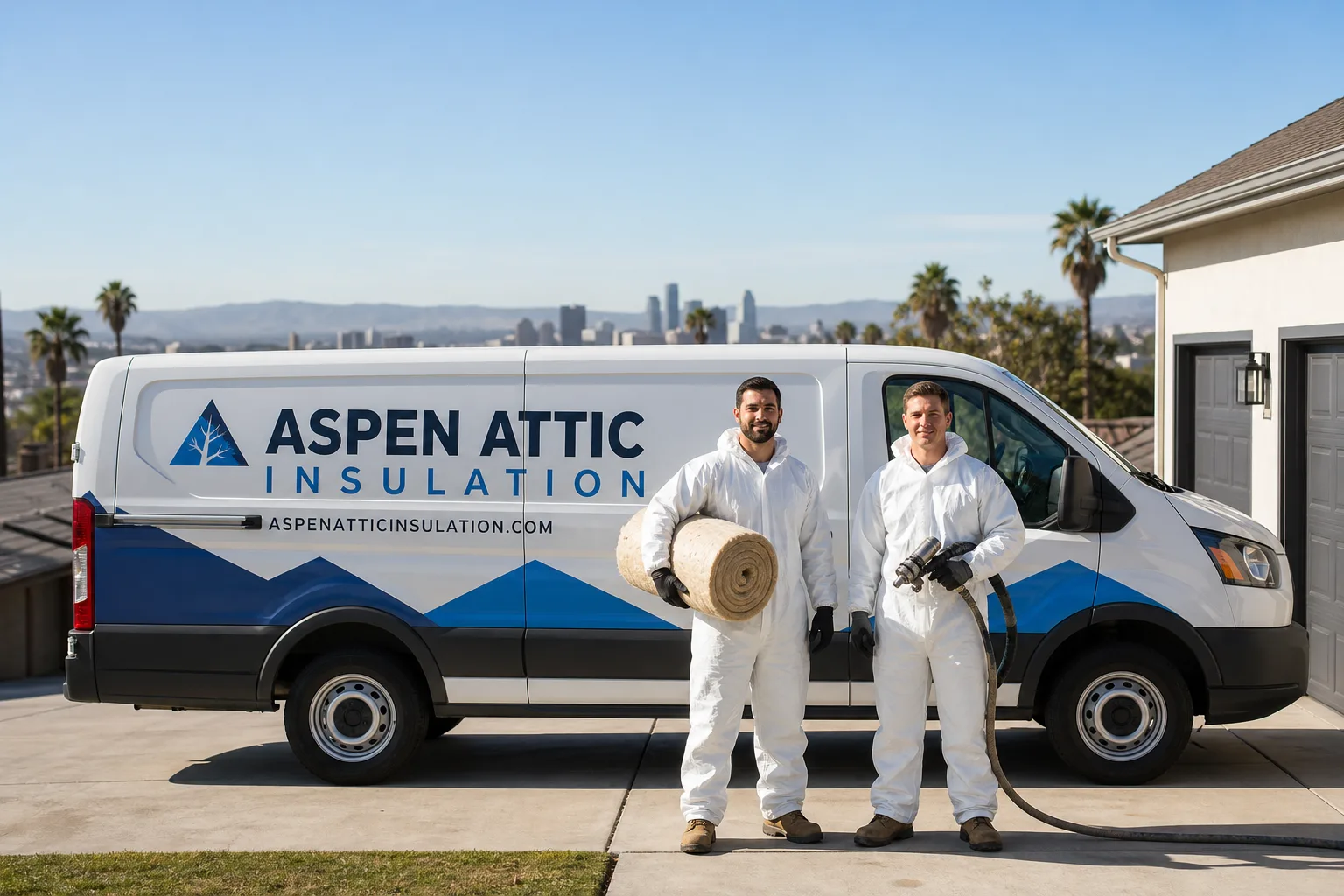
Fast, Reliable Blown In Insulation Across Discovery Bay
Blown in insulation in Discovery Bay typically costs $1.80 to $3.50 per square foot installed, with most attic jobs running $1,800 to $4,500 depending on accessibility and whether removal of old material is needed. Our crews are dispatched from the San Francisco Bay Area office and can usually reach Discovery Bay homes within 45 minutes to an hour. Call (864) 428-1615 for a free written estimate.
We’ve worked in Discovery Bay long enough to know the pattern: a homeowner adds blown-in insulation to the attic, feels better for a season, then notices the west-facing great room is still drafty when the Delta wind kicks up. That’s because standard blown-in insulation, by itself, often can’t solve the specific wind and moisture problems this waterfront town throws at older homes. Our Blown In Insulation team understands the difference between inland suburb jobs and canal-front Discovery Bay homes where the Sacramento – San Joaquin Delta’s relentless afternoon wind and winter fog demand more than a one-size-fits-all approach.
Why Aspen Attic Insulation Is Discovery Bay’s Preferred Blown In Insulation Company
Discovery Bay homeowners choose us because we put a name, face, and written price in front of them before anyone knocks. Every technician is background-checked, identity-verified, and sent to you by name and photo before the visit, with a clean marked uniform and photo ID badge at the door. If anyone else shows up, the visit is free and we make it right.
Our 365-Day Done Right Promise covers every job in writing: if the repair or installation fails within a full year, we come back free. That matters in Discovery Bay, where Delta-driven moisture and wind can expose shortcuts fast. We’ve earned strong local reviews from homeowners in the Yacht Harbor area, Lakeshore, and Discovery Bay Country Club neighborhoods who specifically mention our upfront pricing and technician transparency.
Calls are answered by a live person, 24/7. No voicemail loops. We serve Discovery Bay and surrounding East Contra Costa County communities with crews that know the local housing stock: 1970s – 1990s wood-frame homes with low-pitch roofs, original R-11 batts, and crawlspaces that sit too close to Delta humidity.
Cellulose Insulation in Discovery Bay
Cellulose Insulation in Discovery Bay is our most requested blown-in material for attic retrofits, especially in the 1970s and 1980s homes that dominate neighborhoods near Discovery Bay Drive and the waterfront canals. Made from recycled paper fibers treated with borate fire retardant, cellulose is blown into attic cavities at high density to fill gaps around ducts, wiring, and top plates where air leaks. In Discovery Bay’s climate, cellulose performs well when paired with proper air sealing, though we always assess moisture conditions first: Delta fog and wind-driven rain in winter can raise attic humidity, and without vapor management, cellulose can clump and lose R-value over time. A typical Discovery Bay cellulose attic job runs $2,200 to $4,000 for a 1,200 – 1,800 square foot home, including basic air sealing of penetrations.
When Cellulose Makes Sense
We recommend cellulose for Discovery Bay homeowners with accessible attics, moderate existing insulation, and no active moisture problems. It fills irregular cavities better than fiberglass batts and adds sound dampening against Delta wind noise. We stock GreenFiber and Owens Corning cellulose products matched to your specific attic conditions, not whatever’s on the truck.
Moisture-Prone Applications
In canal-front homes with low-pitch roofs or visible water staining, we may recommend treating the moisture source first or switching to a more moisture-resistant material. Our written estimate will spell out exactly what we found and why we’re recommending a specific approach.
Blown In Attic Insulation in Discovery Bay
Blown In Attic Insulation in Discovery Bay addresses the single biggest energy loss point in most local homes: an under-insulated attic with original R-11 batts compressed to R-8 or worse. We remove the old material when necessary, seal all penetrations with caulk and foam, then blow new insulation to the depth required for your target R-value. For Discovery Bay’s hot, windy summers and mild, wet winters, we typically recommend R-38 to R-49 in attics, which requires 10 to 14 inches of blown cellulose or fiberglass depending on the product. Most Discovery Bay attic jobs fall between $1,800 and $4,500, with removal of old batts adding $400 to $900.
Cathedral Ceiling Challenges
Many Discovery Bay great rooms have cathedral or vaulted ceilings with limited cavity space. Standard blown-in can’t always achieve adequate density in these tight spaces, especially above west-facing walls that take the brunt of Delta wind. We often combine dense-pack cellulose with targeted spray foam in these areas.
Low-Pitch Attic Access
Discovery Bay’s 1970s – 1990s homes frequently have low-pitch roofs with cramped attic hatches near Bixler Road or along the waterfront. Our crews carry specialized hoses and lighting for tight spaces, and we’ll tell you honestly if your attic is too restricted for effective blown-in work.
Trusted Brands We Service in Discovery Bay
We maintain stock from eight industry-leading brands so Discovery Bay homeowners get the right material, not the available one. For blown-in work we most often draw from Owens Corning, Johns Manville, Knauf, and Rockwool, plus GreenFiber cellulose for dense-pack applications. Because we source multiple brands, we can match product to condition: fiberglass for dry, well-ventilated attics; cellulose for sound dampening and gap-filling; mineral wool for fire resistance near chimney chases in older Discovery Bay homes. Fast turnaround matters here. We don’t order special material and make you wait two weeks. Our Bay Area warehouse keeps core blown-in products on hand, so most Discovery Bay jobs start within a few days of estimate approval.
Common Blown In Insulation Problems We See in Discovery Bay Homes
- Compressed R-11 batts in cathedral ceilings. Original insulation above west-facing great rooms in canal-front homes has sagged or been compressed by decades of heat and wind, creating channels where Delta air streams straight through. Blown-in alone won’t seal these cavities without dense-pack or spray foam backup.
- Moisture-clumped cellulose from skipped air sealing. We find attics where previous contractors blew in cellulose without sealing top plates or duct boots, letting winter fog and wind-driven rain raise humidity until the material clumps and settles. The fix is removal, drying, sealing, then re-installation with vapor management.
- Sagging crawlspace insulation in 1970s – 1980s homes. Original fiberglass batts in crawlspaces near the water have absorbed Delta humidity, fallen between joists, and sometimes grown mold. These need complete removal and replacement with moisture-resistant materials, not more blow-in on top of the mess.
- Wind infiltration through unsealed top plates. Discovery Bay’s afternoon Delta breeze pressurizes attic spaces and finds every gap between wall top plates and drywall. Without targeted air sealing before blowing insulation, you’re paying to heat and cool the neighborhood.
Pricing for Blown In Insulation in Discovery Bay, CA
Here’s what Discovery Bay homeowners actually pay for blown in insulation work:
| Service | Typical Range |
|---|---|
| Blown cellulose attic (no removal) | $1,800 – $3,200 |
| Blown cellulose attic (with old batt removal) | $2,400 – $4,500 |
| Dense-pack cellulose in cathedral ceiling walls | $2.50 – $4.50/sq ft |
| Air sealing only (prep for blown-in) | $400 – $900 |
| Crawlspace insulation removal and replacement | $1,500 – $3,000 |
Your final price depends on attic accessibility, existing material condition, and whether we find moisture or mold that needs addressing first. Every homeowner receives a written price before any work starts, with no post-job additions. Estimates are free. Call (864) 428-1615 to schedule.
We Also Serve Cities Near Discovery Bay
Our crews work throughout East Contra Costa County, including Brentwood, Oakley, Antioch, and Clayton. Each community has different housing stock and climate exposure, so we adjust our recommendations accordingly. Brentwood’s inland location means less wind-driven moisture but hotter summer attic temperatures. Oakley’s newer construction often has better original insulation but still benefits from air sealing upgrades. Wherever you are, the same Threshold Verified standards apply: named technician, photo sent in advance, written price, written guarantee.
Serving Discovery Bay, CA - Our Local Coverage Area
We’re based in the Discovery Bay area and know this community well. Use the map below to see our service coverage - if you’re nearby, we can almost certainly help.
FAQs About Blown In Insulation in Discovery Bay
Your cathedral ceiling or west-facing wall likely has compressed or missing original batts that create wind channels standard blown-in can’t seal. We dense-pack those cavities or use targeted spray foam to stop infiltration. Call (864) 428-1615 and we’ll identify exactly where the air is coming in.
The Delta’s strong afternoon winds pressurize attics and force air through unsealed gaps, while winter fog and rain raise moisture levels that can clump cellulose if vapor management is skipped. Proper air sealing before installation and correct product selection for your specific attic conditions prevent both problems. We assess this during every free estimate.
We recommend R-38 to R-49 for Discovery Bay attics, which handles summer heat gain and winter heat loss under windy conditions. That equals 10 to 14 inches of blown cellulose or fiberglass, depending on product density. We’ll measure your current depth and calculate exactly what’s needed during our visit.
Yes, though tight clearances sometimes limit our options. We use specialized equipment for cramped attics and will tell you honestly if dense-pack wall insulation or exterior foam board makes more sense than blown-in for your specific roof geometry. Every recommendation comes with a written price and explanation.
We use both, matched to conditions. Cellulose fills irregular cavities better and dampens wind noise. Fiberglass resists moisture in slightly damp attics. We stock Owens Corning, Johns Manville, Knauf, and GreenFiber products and specify which one we’re recommending and why in your written estimate.
Written by Garrett Sloane, Owner at Aspen Attic Insulation, serving Discovery Bay and the San Francisco Bay Area.